.png)
 2 hours ago
6
2 hours ago
6

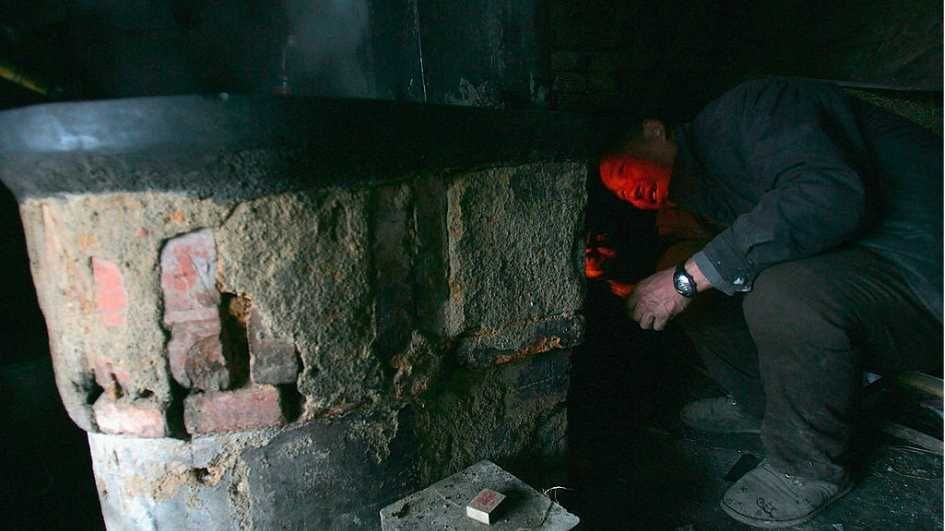
Every year, at the coldest time of the year, our furnace goes out. I’ve written about it before, I’m writing about it now, and I’m sure I’ll write about it again. Benjamin Franklin said, “In this world, nothing is certain except death and taxes.” I say, “In this world, nothing is certain except winter — and our furnace breaking.”
Lately I’ve been thinking a lot about modernity: not just as an era, but as a way of life, and as a particular relationship we have with technology and the natural world. Winter has a way of provoking those thoughts. It’s unforgiving outside and warm inside, and that contrast shapes not only our environment but our state of mind. Winter invites introspection whether we ask for it or not.
You don’t actually want to go back to 1198 or 1598. At most, you want to go back to 1998 — before things took such a strange turn.
It also reminds us of something more basic: Winter wants to kill us.
Cold truth
Without insulated homes, reliable transportation, and warm clothing, many of us simply wouldn’t make it. Maybe that isn’t true everywhere. It’s not true in places with mild winters. But it is true here, where the temperature tonight is expected to dip to ten below zero. In places like this, modernity doesn’t just make life comfortable — it makes it possible.
That’s easy to forget. I turn the thermostat up and the furnace obeys. I want it to be 67 degrees, and it becomes 67 degrees. No delay, no doubt. I can count on warmth in the same way I count on the sun rising tomorrow — until I can’t. Then the house turns cold, the basement office becomes unusable, space heaters migrate upstairs, and our seemingly invincible HVAC world collapses all at once. Annoyance quickly turns into perspective.
The furnace, of course, is only one small example. This isn’t really about heating systems or cold weather; it’s about how easily we take the blessings of the modern world for granted.
RELATED: Why does our furnace go out every winter? (and other burning questions)
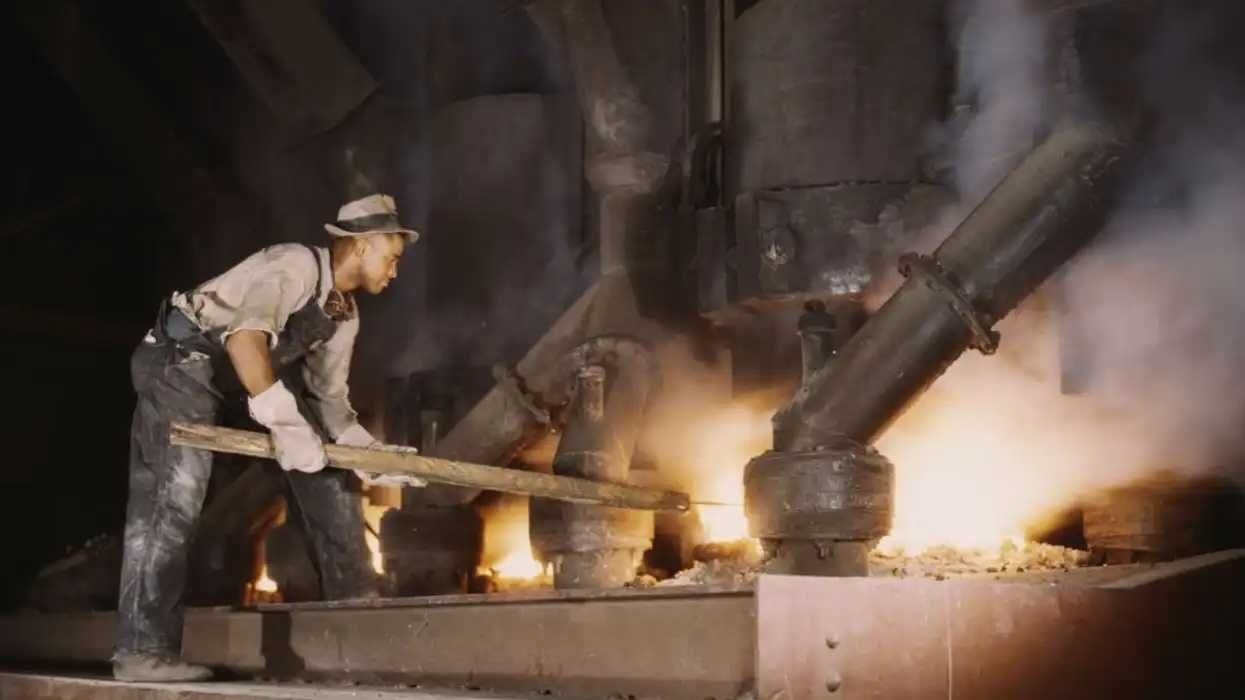 Heritage Images/Getty Images
No thanks
We all do it. Whatever we have now quickly becomes the baseline. We stop remembering what life was like without it. You see this with people who move to America from poorer parts of the world. After a decade, they are often just as accustomed to convenience as those born into it. You might expect memories of hardship to linger, but they rarely do. Perhaps death once sat closer to daily life, even in developed societies, and kept gratitude sharper. Perhaps something else has changed. Either way, ingratitude seems to come naturally to us now.
Medicine is a clear example. How many of us would be dead without modern medical care? Many. Imagine surgery without anesthesia. Imagine life without optometry or dentistry. It’s not a romantic picture.
The same goes for something as mundane as mail. People love to complain about the USPS, but in much of the world, a functioning postal system barely exists. I know someone who lived in Africa building embassies for the U.S. government, and he told me that local mail simply wasn’t usable. Here we send letters, order books, ship packages, and trust that they will arrive — and that if they don’t, someone will make it right. That trust is a modern miracle we barely notice.
Horse power
Or consider transportation. We can wax poetic about the romance of horse-drawn travel, but the truth is, we would hate it. It might charm us for a day or two, but before long, we’d be desperate to return to cars, trains, ferries, and planes. Modern speed isn’t just convenient — it reshapes what a human life can contain.
Lately I see a lot of anger directed at modernity itself. Some of it is understandable. There are technological and medical “advances” that drift away from the good and toward the destructive. That frustration is real, and I feel it too. But rejecting the modern world wholesale is neither wise nor serious. You don’t actually want to go back to 1198 or 1598. At most, you want to go back to 1998 — before things took such a strange turn.
Our task, then, isn’t to flee modernity, but to refine it. We cannot escape it — and we shouldn’t want to. The better path is gratitude without naivety: thankful for the blessings, alert to the dangers, and willing to curb excess without denying reality. If we do that, we may yet manage to build not just a modern world, but a good one.










 English (US)