.png)
 2 hours ago
1
2 hours ago
1

Watching the real-time updates from Operation Epic Fury, one lesson kept flashing like a warning light: Don’t chase the rockets. Find the launcher.
For years, militaries have built sophisticated defenses. Rockets fly, interceptors rise, lives get saved. That matters. But every soldier knows intercepting rockets never counts as the long-term solution. Defense buys time. Strategy ends the threat.
Recall the maxim that the best defense is a good offense. Intercepting rockets protects you today. Disabling the launcher protects you tomorrow.
You trace the attack back to its source. You stop the launcher, and you stop the rockets that follow.
That principle applies to our culture.
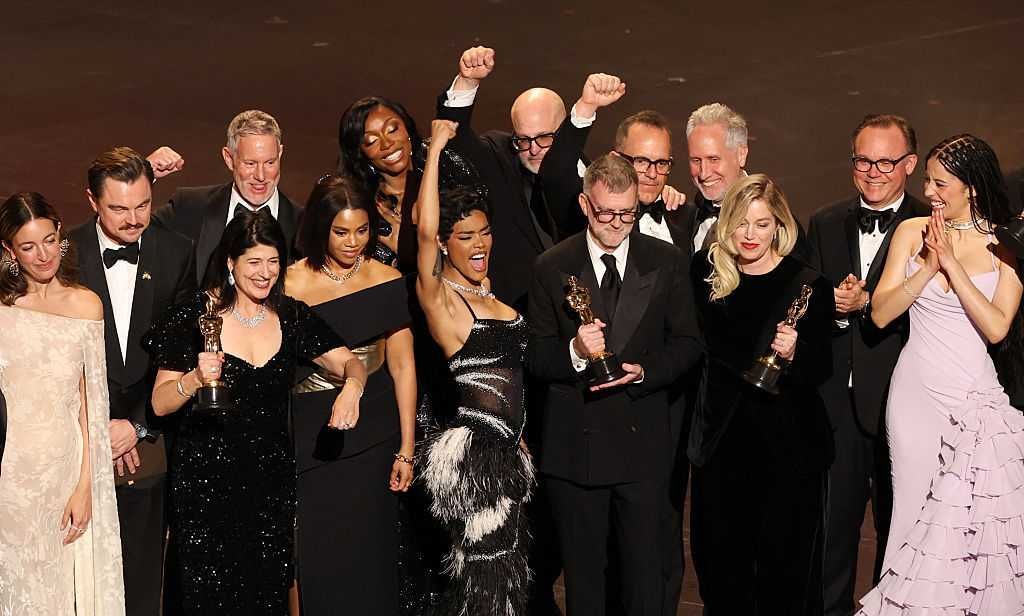
Take the Oscars. Every year, a celebrity steps to the microphone and scolds half the country. Commentators repeat it the next morning. Clips hit social media within minutes. None of this happens by accident. The provocation is the point. The speech aims to trigger a predictable response, and for years it worked. Every clip pulled more people into the outrage cycle. Rocket after rocket.
But something changed. People have built defenses.
Many Americans now recognize the pattern. The provocation arrives. The clip goes viral. The outrage machine revs. And more people shrug. The rockets still fly. They just don’t land the way they once did.
I saw that recently in a clip of Ben Stiller promoting his new soda brand in a grocery store. For years, Stiller fired political rockets on social media at Donald Trump and his supporters. But there he was in the beverage aisle, hawking soda while shoppers pushed carts past him.
The moment felt revealing.
At some point, the rockets stopped landing.
That shouldn’t surprise anyone who remembers what Michael Jordan once said when asked why he stayed out of politics: “Republicans buy sneakers too.” Jordan understood something fundamental about celebrity influence. Star power works only if the audience still wants to watch.
Attention may be the currency of choice for some. But actual currency still runs the world.
Rebuking a president may generate applause and headlines. Selling soda still requires receipts. Filling theaters still requires paying customers. You can see it in the numbers: Award show ratings have fallen, and box office success increasingly depends on audiences tired of being lectured.
The rockets are still flying, but they’re losing range.
RELATED: ‘Bugonia’ and Hollywood's most post-Christian Academy Awards yet
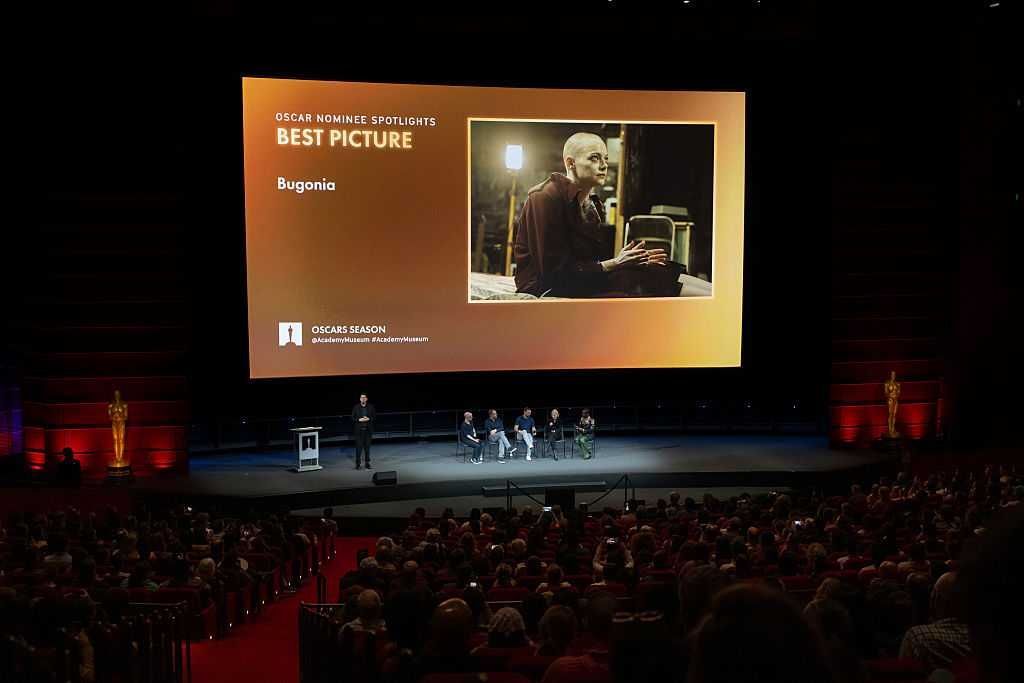 Photo by Nick Agro/Academy Museum Foundation via Getty Images
Which raises the real question: Why do we keep arguing about the explosions instead of the launchers?
Most cultural flashpoints don’t originate on a stage or in a viral clip. They are symptoms of deeper forces already at work — ideas formed in classrooms, reinforced by institutions, and absorbed by the next generation.
Those are the launchers.
Some leaders figured this out and adjusted their strategy. Instead of reacting to every viral moment, they went to the places where the ideas get produced and packaged. That’s a big part of what made Charlie Kirk effective with young audiences. He didn’t spend his life chasing rockets. He went to campuses and challenged the ideas being launched there.
Recall the maxim that the best defense is a good offense. Intercepting rockets protects you today. Disabling the launcher protects you tomorrow. Once the launcher is gone, there’s far less you need to defend against.
That takes patience. Discipline. And the wisdom to ignore the latest explosion overhead.
Playing defense keeps you alive. Playing offense wins.
And there’s one more thing worth noticing.
God never plays defense. Throughout scripture, truth advances. Light pushes back darkness. The gates of hell aren’t advancing against the church. They are the ones being stormed.
The lesson is simple: Stop chasing rockets. Find the launchers.












 English (US)