.png)
 1 hour ago
4
1 hour ago
4
President Donald Trump was already eager for a Federal Reserve rate cut. If there were ever a moment for him to want one even more, it would be Wednesday, but his war with Iran may have blown it, driving up oil prices and reviving the inflation fears that make cuts harder to justify.
Few things shape what Americans can afford more than the Federal Reserve, even if most people rarely pay attention to it. The central bank doesn’t set the price of groceries or cars, but it does help determine how expensive it is to borrow money. And, right now, high rates are keeping mortgage payments, car loans and credit card bills painfully high.
When the Fed’s two-day meeting wraps up Wednesday, policymakers are widely expected to leave rates unchanged.
Now, the Iran war is complicating not just this week’s decision but the path ahead if the conflict drags on and keeps oil prices elevated.
TRUMP VS THE FEDERAL RESERVE: HOW THE CLASH REACHED UNCHARTED TERRITORY
Tit-for-tat strikes in Iran and across the Middle East have helped push crude above $100 a barrel for the first time since 2022, rattling global markets and renewing concerns about tighter energy supplies.
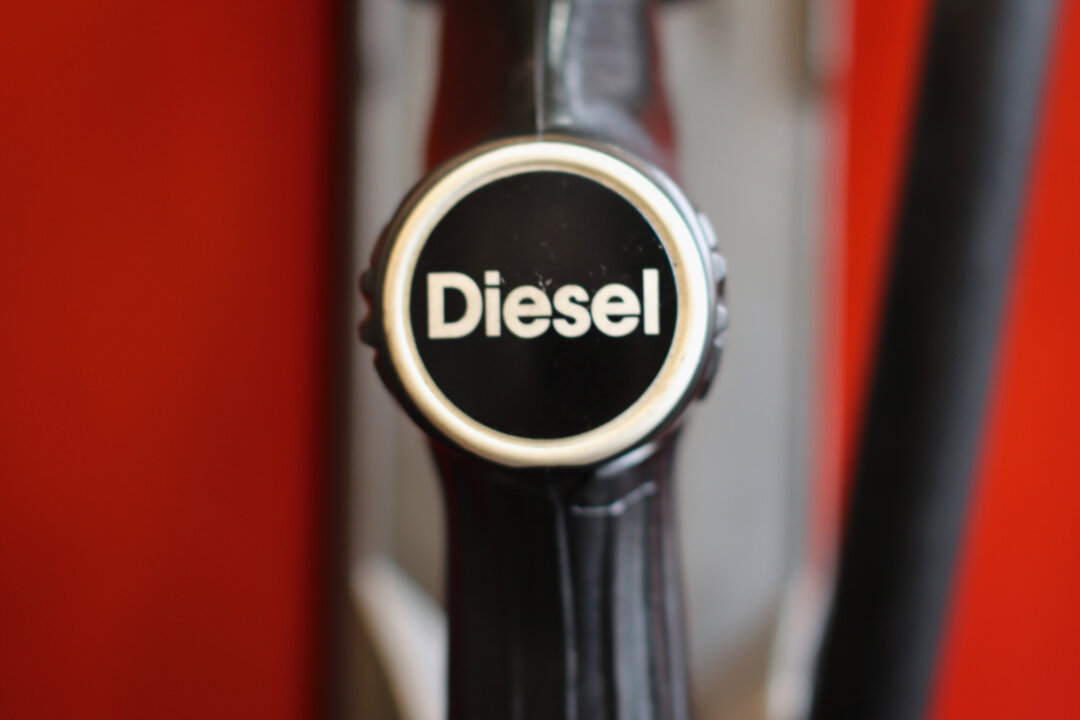
That pressure is starting to hit consumers. As oil prices climb, gasoline and diesel prices are rising quickly — especially diesel, which often moves faster because of its close ties to freight and industrial demand.
THE UNLIKELY TOOL TRUMP IS EYEING TO TACKLE RISING OIL PRICES AMID THE IRAN CONFLICT
As of March 17, AAA put the national average for regular gasoline at $3.79 a gallon, up 88 cents from a month earlier, while diesel climbed to $5.04, up $1.39 over the same period.
Jet fuel is getting more expensive, too.
For airlines, fuel is one of the biggest operating costs, so sustained increases could squeeze margins, push up ticket prices and add fresh strain to a travel season already complicated by the DHS shutdown.
OIL, GAS PRICES JUMP AS TRUMP FLIRTS WITH STRIKING IRANIAN OIL INFRASTRUCTURE
The pressure is showing up in housing, too.
Mortgage rates have crept higher since the start of the Iran war. The benchmark 30-year fixed rate dipped below 6% in late February, its lowest level since September 2022, before rising higher to 6.26% as of March 16, according to data compiled by the Mortgage Bankers Association.
At the same time, the Fed is grappling with a labor market that is starting to crack. Employers shed 92,000 jobs in February, defying expectations for job growth and muddying the outlook for policymakers.
That combination of stubborn inflation and a weakening labor market has only intensified pressure from Trump, whose promise to lower costs for Americans was a centerpiece of his campaign.
For months, he has pressed Federal Reserve Chairman Jerome Powell to lower interest rates, arguing that cheaper borrowing would spur growth and offer relief to American households. Fed officials, however, have signaled they want clearer evidence that inflation is cooling before cutting.
On Thursday, Trump pressed Powell to cut interest rates "immediately" as fallout from the conflict involving Iran fuels an energy price spike.
"Where is the Federal Reserve Chairman, Jerome "Too Late" Powell, today? He should be dropping Interest Rates, IMMEDIATELY, not waiting for the next meeting," Trump wrote in a Truth Social post using a mocking nickname for Powell.
For Trump, the timing is brutal.
He campaigned on lowering costs for Americans, but the conflict involving Iran is threatening to do the opposite — driving up energy prices, complicating the Fed’s path and putting fresh pressure on one of his core economic promises.









 English (US)