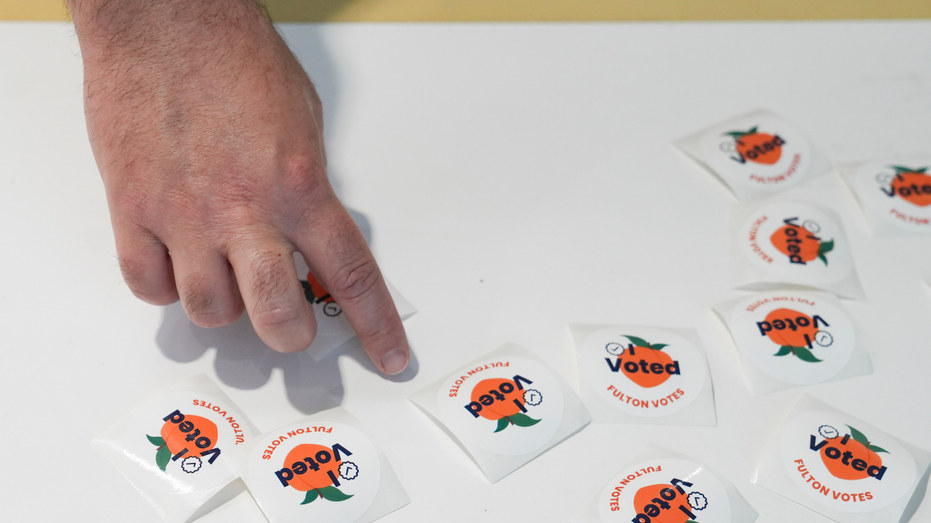
<![CDATA[Until Friday, whenever the Trump administration indicated a deal might be close to ending the 47-year war Iran has waged against us, the news generally wasn't taken seriously, because key figures on the Iranian side, who most likely were the ones negotiating in private, contradicted themselves with the wildest possible denials publicly. All that changed in the last 96 hours or so, because for the first time since kinetic action destroyed most of the IRGC's offensive capabilities, and virtually all of their defenses as well, indignant leaders in the regime shifted their rhetoric, albeit subtly at times, into overtures of opening up the Strait of Hormuz without collecting tolls, turning on the internet in Iran for the first time in months, and yes, turning over all of their enriched uranium. While there still is no deal or memorandum of understanding - a list of agreements to keep a ceasefire in place until all the formalities and provisos for sanctions relief take place - this "deal" feels more real. Why? Partly because of the threat of crippling air strikes against Iranian infrastructure - refineries, electrical generation facilities, bridges, and the like, and partly because of the economic impact of the naval blockade, Operation Economic Fury. Among many effects of the blockade, one of the most worrisome to regime remnants is the visions of angry Iranian mobs in the streets convulsing against the regime. That terrifies them more than the Americans and Israelis blowing up targets of value and killing junta members again.As a radio producer for the last 30-plus years, if there's one thing that gets pounded in your head in media over and over again, it's that when there's a mass casualty event, natural or man-made, first accounts are almost always wrong. Estimates of damage and death are often wildly inaccurate. You always have to be on guard to report only what you know as well as report what you don't know, the latter often being more important. And if you don't learn your lesson to pause a beat before reacting on that front, the same peril of being discredited awaits you with election results. If you have heard it once, you've heard it a thousand times. Do not believe exit polls. They are almost always wrong as well, and yet they have been used to sway elections by juicing same-day turnout if the candidate is the beneficiary of a favorable exit poll. But as we also saw with George W. Bush and Florida in the 2000 election, when exit polls were released showing Al Gore cruising before the rest of the state's precincts in the Panhandle closed, it caused a depressed turnout late in the day for would-be Bush voters. With regard to the Iran deal being negotiated by the Trump administration, outside of the Oval Office, no one honestly knows what's in or out of it, who are the Iranians in a position to enter into a deal, whether the Pakistanis are serving as an honest broker between the two sides, and how many iterations of the deal there have been in this latest round of talks between Washington and Tehran. Anyone not named Donald Trump or Marco Rubio who tells you they know what's in the deal doesn't. By mid-day Friday, people who are hawks on Iran, meaning they want the bombings to resume, continue, and increase until an IRGC janitor raises a white flag on a stick, were beside themselves with disappointment. They were crestfallen that President Trump had gone this far to end the Iranian regime once and for all, but was attempting to call it a day, declare victory, and get out, leaving business unfinished. Meanwhile, Trump detractors, including Obama foreign policy hands that got us into the position where action against Iran became necessary, claimed that Trump's 'deal', again, something no one has seen, was exactly what Barack Obama achieved without having to go to war first. Former Secretary of State Mike Pompeo, very much a hawk on Iran, feared that the deal being leaked out, if true, would be a capitulation by Trump. ]]>
.png) 1 hour ago
3
1 hour ago
3







 English (US)