.png)
 1 hour ago
1
1 hour ago
1

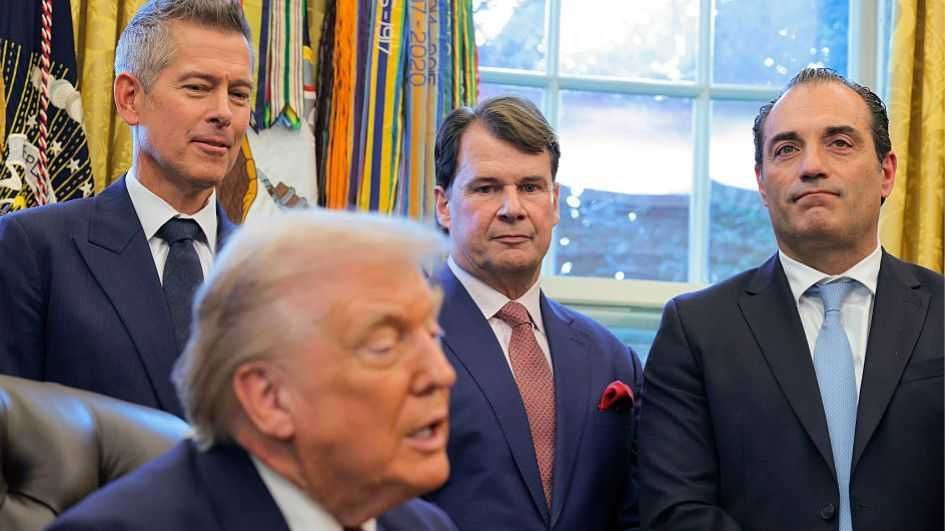
Washington rarely admits when policy has failed. But earlier this month, the White House stepped back from more than a decade of regulations that drove car prices to record highs, limited consumer choice, and tried to force an industry to move faster than technology, infrastructure, or American families could manage.
With the unveiling of the Freedom Means Affordable Cars proposal, President Donald Trump and Transportation Secretary Sean Duffy signaled a dramatic shift in national auto policy — one aimed at making car ownership attainable again for millions priced out of the market.
The Biden-Buttigieg standards were projected to generate $14 billion in compliance fines between 2027 and 2032, costs manufacturers said would be passed directly to buyers.
The timing is critical. New vehicle prices topped $50,000 this fall, while average monthly payments approached $750. Families are keeping cars longer than ever, pushing the average age of the U.S. fleet to record levels. As Washington pushed electric vehicles, consumers pushed back: EV demand stalled, rejection rates soared, and buyers continued to favor affordable gas and hybrid vehicles. That tension has been building for years, and the December 3 announcement marked the most direct challenge yet to the regulatory regime behind it.
Trump’s proposal resets National Highway Traffic Safety Administration fuel-economy rules, reversing Biden-era targets that aimed to push the fleet toward roughly 50 mpg.
Closing the 'back door'
Under the new plan, Corporate Average Fuel Economy standards return to 34.5 mpg — levels last seen in the late 2000s — with future increases scaled back to what Congress originally envisioned. The administration projects up to $109 billion in savings over five years and roughly $1,000 off the average new car. Whether those figures hold, the philosophical shift is clear: ending what the White House calls a backdoor EV mandate.
For years, automakers warned privately that the prior rules forced them to build vehicles customers didn’t want simply to avoid massive penalties. The Biden-Buttigieg standards were projected to generate $14 billion in compliance fines between 2027 and 2032, costs manufacturers said would be passed directly to buyers. Aligning federal rules with California’s stricter standards further nudged companies toward EVs even as demand weakened. CAFE was never meant to reshape the marketplace — but that is how it was being used.
The consequences were stark. Billions were poured into EV-charging initiatives with little to show for it; $5 trillion was allocated, yet only 11 stations were built nationwide. California faced rolling blackouts with EVs still just 2.3% of vehicles on the road. Experts warned that even 10% EV adoption would strain the grid under current infrastructure. Meanwhile buyers who didn’t want EVs — still the majority — faced fewer choices and higher prices.
Attracting investment
The Trump reset aims to reverse course. Automakers quickly announced new domestic investments. Stellantis committed $13 billion to expand U.S. manufacturing, including Jeep, Dodge, Ram, and Chrysler. Ford pledged $5 billion for American facilities, noting that 80% of its vehicles are already made domestically. General Motors announced $4 billion to bring production back from Mexico while retooling plants for broader consumer demand. Even the United Auto Workers offered support, citing increased U.S. jobs and domestic production.
The plan also includes a tax change backed by the National Auto Dealers Association, allowing buyers to deduct interest on American-built vehicles. At a time when many families are locked out of the new-car market, the measure offers practical relief while encouraging domestic manufacturing.
Less noticed — but equally important — was the Congressional Review Act action that eliminated California’s special emissions waivers. Signed in June 2025, those resolutions dismantled the structure that allowed California to dictate national vehicle policy, ending the EV mandate embedded in federal regulations and clearing the way for this shift.
RELATED: Duffy threatens funding freeze for 3 states flouting English requirements for truck drivers
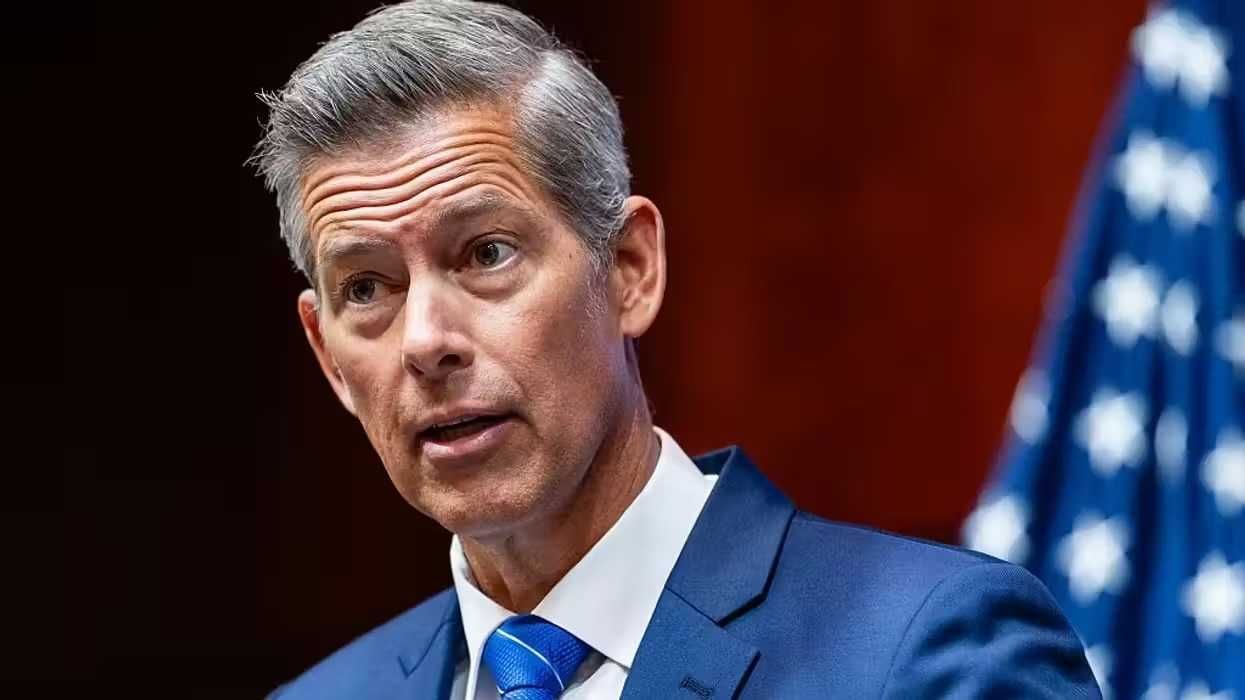 Secretary of Transportation Sean Duffy. Photographer: Eric Lee/Bloomberg via Getty Images
Not far enough?
Some analysts argue the rollback doesn’t go far enough. As long as CAFE exists — at any target — it remains vulnerable to political swings. They contend emissions should be regulated directly through the EPA, leaving the market to determine the mix of gas, hybrid, and electric vehicles. This view is gaining traction among critics who say CAFE no longer reflects consumer demand or technological reality.
Even Republican Sen. Bernie Moreno of Ohio weighed in, calling the forced EV pivot “irrational policy” that benefits China. China controls roughly 80% of EV battery minerals and most related mining, while the U.S. holds the world’s largest proven oil reserves. Moreno’s argument is blunt: America weakened its own manufacturing base by adopting policies that played to China’s strengths.
Sales data reinforces the point. EVs made up about 6% of new vehicle sales in November 2025, with rejection rates near 70% due to cost, charging gaps, range limits, insurance, and cold-weather performance. EVs still account for just 2.3% of vehicles on U.S. roads. The demand Washington expected never materialized.
The new policy reflects those realities. It restores balance to an industry pushed into transformation without consumer support or infrastructure readiness. Automakers will still build EVs and hybrids and pursue new technologies — but consumers will decide the pace, not regulators.
For the first time in years, drivers may again see affordability, variety, and genuine choice. Fuel-economy rules will remain contested, but the Freedom Means Affordable Cars plan marks the most significant shift in auto policy in over a decade.
For millions of Americans priced out of the market, that change alone is long overdue.









 English (US)