.png)
 3 hours ago
3
3 hours ago
3

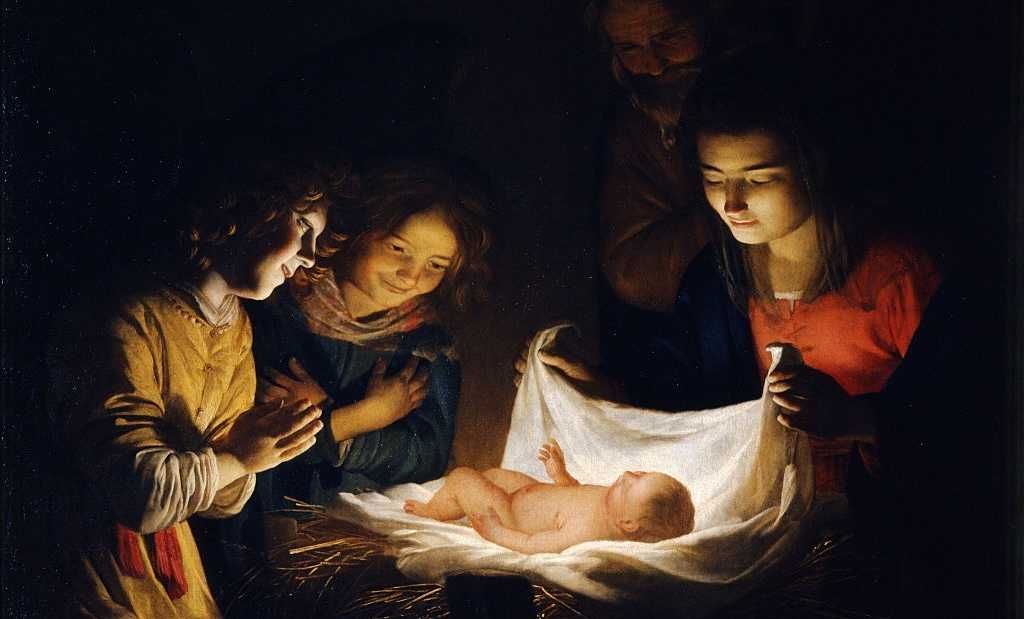
As we come to the end of 2025, peace feels hard to find. We are surrounded by news of barbaric terrorism once again — most recently in Australia — erupting in violent displays of prideful, ethnic hatred. We watch regional wars grind on, prolonged by an implacable tyrant bent on self-glorification and the expansion of his own wealth and power.
At such a time, it is good to remember that 2,000 years ago, a child was born for whom there was no room at the inn — a child laid instead in a stable because there was nowhere else to go. Jesus spent his childhood in the simplest of households and his adulthood accounting for every penny, for the life of a carpenter brought little money.
Let us set aside the calamities of the world, if only for a moment, and celebrate the birth of the most extraordinary child ever born — the one who offers eternal love and shelter from the storm.
When Jesus left his home to serve the world, his life became unlike that of the foxes, who have dens, or the birds, who have nests. The Son of Man had no place to lay his head. He rejected the paths of wealth, power, and pride, choosing instead humility, love, and suffering.
His ministry began when he read from the prophet Isaiah: “The Spirit of the Lord is upon me, because he has anointed me to preach good news to the poor.” That good news was revolutionary. God was not, as the Greeks imagined, a distant and uncaring master of abstractions. Nor was he, as many expected, a cold and exacting judge.
The good news was that God is filled with love for humanity — and that was cause for celebration.
So Jesus’ first miracle was not an act of conquest or condemnation, but joy: the transformation of water into wine at a wedding in Cana.
When Jesus chose his companions, he chose people like himself — humble, ordinary, and yet extraordinary. He welcomed women into his ministry, from his mother Mary to Mary Magdalene, Joanna, Susanna, and many others, treating their womanhood as sacred. As F.R. Maltby observed, Jesus promised his followers three things: that they would be completely fearless, absurdly happy, and in constant trouble. Wherever they went, they brought hope, kindness, and cheer, and when Jesus spoke, his words carried the breath of heaven.
Jesus welcomed everyone he encountered — Jews and Romans, Greeks and Samaritans. He spoke with rabbis, tax collectors, and sinners alike. But he devoted his deepest attention to those who suffered: the blind, the deaf, the lame, the lepers. He touched those no one else would touch and loved those no one else would love.
When disciples of John the Baptist asked who he was, Jesus answered simply: “Tell John what you have seen and heard: the blind receive their sight, the lame walk, the lepers are cleansed, the deaf hear, the dead are raised, and the poor have good news brought to them” (Luke 7:22).
Even more radical was his teaching. “Love your enemies,” he said. “Bless those who curse you. Do good to those who hate you. Pray for those who mistreat you. As you would have others treat you, so must you treat them.”
And above all: “Love the Lord your God with all your heart, with all your soul, with all your strength, and with all your mind, and your neighbor as yourself” (Luke 10:27).
RELATED: The algorithm sells despair. Christmas tells the truth.
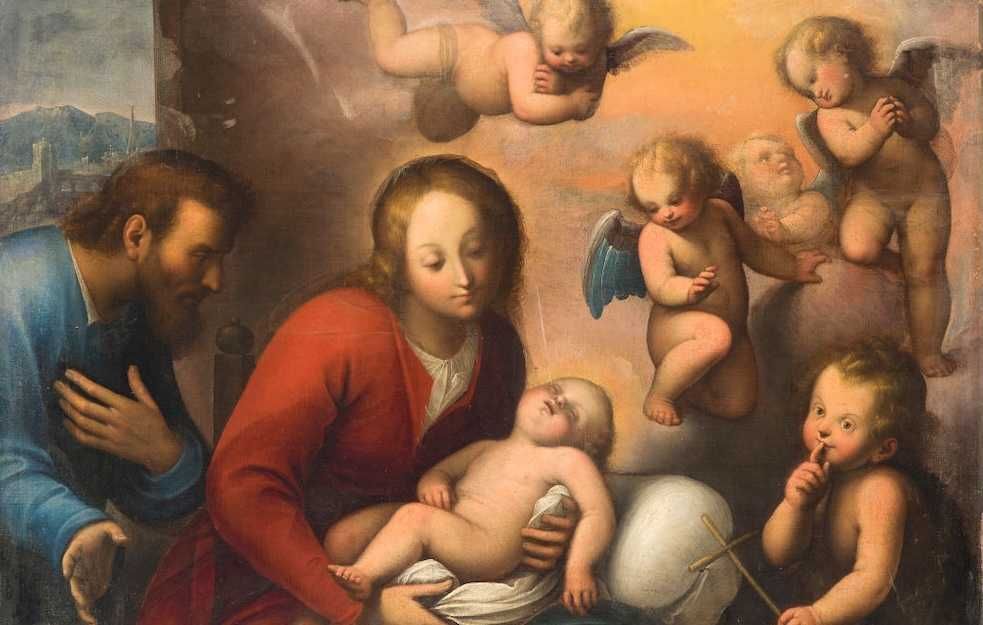 Photo by Fine Art Images/Heritage Images/Getty Images
Jesus taught through parables, stories anyone could understand. Perhaps the most famous is that of the prodigal son — a young man who squandered his inheritance on gambling, drink, and excess, only to be welcomed home with celebration rather than condemnation. Jesus explained it this way: “If a man has a hundred sheep, and one of them has gone astray, does he not leave the ninety-nine on the mountains and go in search of the one that went astray?" (Matthew 18:12).
God, in his love, was searching for a lost humanity, and Jesus was the shepherd sent to bring it home.
When the Pharisees asked when the kingdom of God would come, Jesus answered, “The kingdom of God is within you” (Luke 17:21). It is entered freely — not by force, not by empire, not by the power of Caesar. There exists a realm where Caesar’s writ does not run, a domain belonging wholly to God.
To bring us into that kingdom of peace, Christ endured the cross — the only place on earth that finally made room for one so profoundly good.
Before he departed, he instructed his apostles to greet every home with a prayer for peace — a peace available only in the kingdom he builds within each of us.
So let us set aside the calamities of the world, if only for a moment, and celebrate the birth of the most extraordinary child ever born — the one who offers eternal love and shelter from the storm.
Merry Christmas.












 English (US)