.png)
 3 hours ago
1
3 hours ago
1
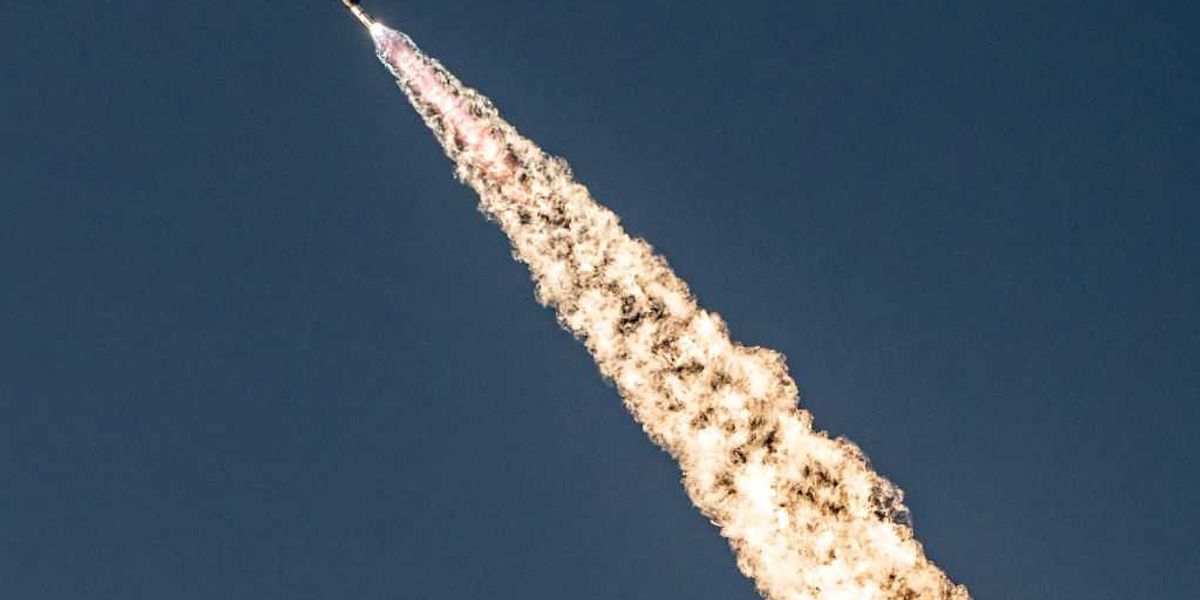
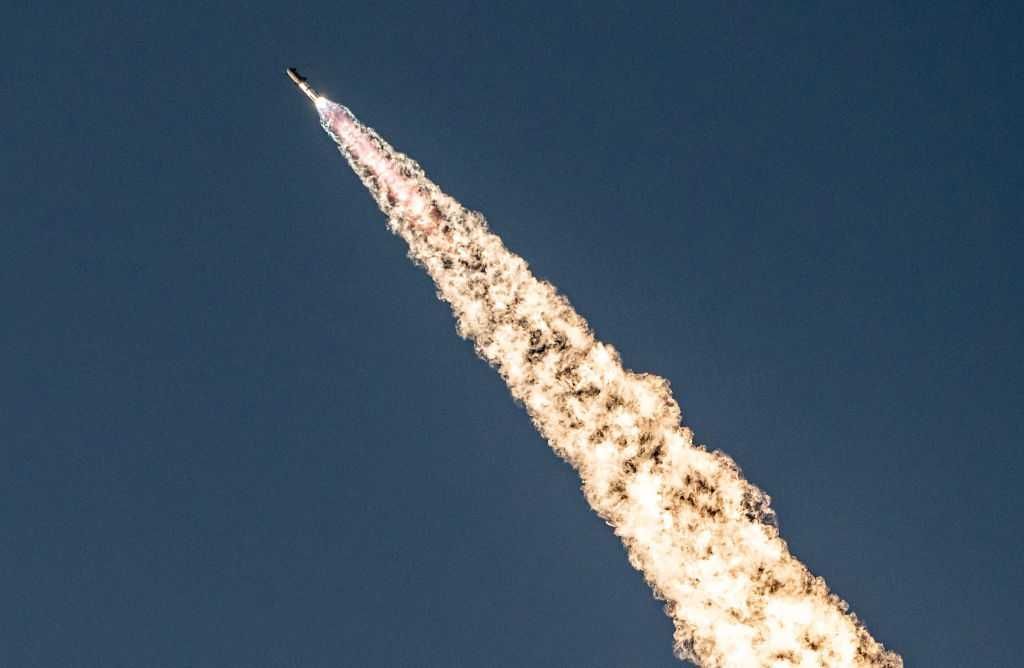
Over the past two weeks, the nation's attention has focused on space following the successful launch and orbit of the Artemis II craft. This event marked a major milestone in space exploration as the United States of America advanced its mission to return humans to deep space and re-establish its leadership beyond low Earth orbit.
Space has always thrilled people of all ages and motivated us to dream bigger than any single individual. Few things in this world are more difficult than configuring a craft and mission capable of exiting and entering Earth's atmosphere and transporting to various points in space. From the earliest age, boys and girls look up to the heavens to gaze at the moon and star constellations and tell their parents about their aspirations to go there one day. As children grow into young adults, they identify the visible specks of planets and research corresponding details to fill gaps in their imagination and understanding of the complex solar system.
The Artemis II crew carried more than just their mission; they carried the hopes of a nation longing to believe in something bigger than any of us.
The Artemis II mission is more than a launch; it signals that America is leading again in space exploration. During this trip, the crew of four astronauts traveled more miles from Earth than any in the history of humanity, shuttling about 252,756 miles from our planet. Like the Apollo missions of previous generations, Artemis II reminded men, women, and children alike of the limitless possibilities available to the United States when we focus our best and brightest. Americans have so much to be proud of as they assess this mission and await the next launch in this series, which may see humans set foot on the Moon’s surface again as soon as this decade.
Artemis II reflects the strength of our aerospace workforce, the ingenuity of American innovation, and the kind of long-term investment that drives economic growth here at home. States like Arizona play a direct role in that success, supporting high-skilled jobs, advanced manufacturing, and the next generation of engineers and scientists. Honeywell in Glendale developed critical Orion spacecraft systems, including guidance and navigation, displays and controls that astronauts will rely on during the flight, command and data-handling hardware, core flight software, and vibration-dampening technology. Northrop Grumman’s Gilbert facility is also contributing by supporting broader Artemis elements, such as the HALO capsule for future missions. At the same time, the company’s solid rocket boosters provide massive thrust and safety systems that power this historic launch.
Many people deserve thanks for the renewed American push to re-enter and conquer space — especially President Donald J. Trump, whose vision restored focus and direction to the United States space program, ensuring our nation remains competitive on the global stage. President Trump understands the critical nature of space exploration and how vital it is that our country regain its luster and edge in this boundless arena. His administration is working hard to open even more opportunities for our astronauts and space vehicles to travel where few men have gone before. This legacy will endure long after his presidency and life concludes.
The Artemis II crew carried more than just their mission; they carried the hopes of a nation longing to believe in something bigger than any of us. We are teaching the next generation of Americans to dream about what they can do, what they can see, and where they can go. There is nothing the United States can’t do when it puts its collective national mind to it. Artemis II again proved that fact.












 English (US)