.png)
 2 hours ago
9
2 hours ago
9
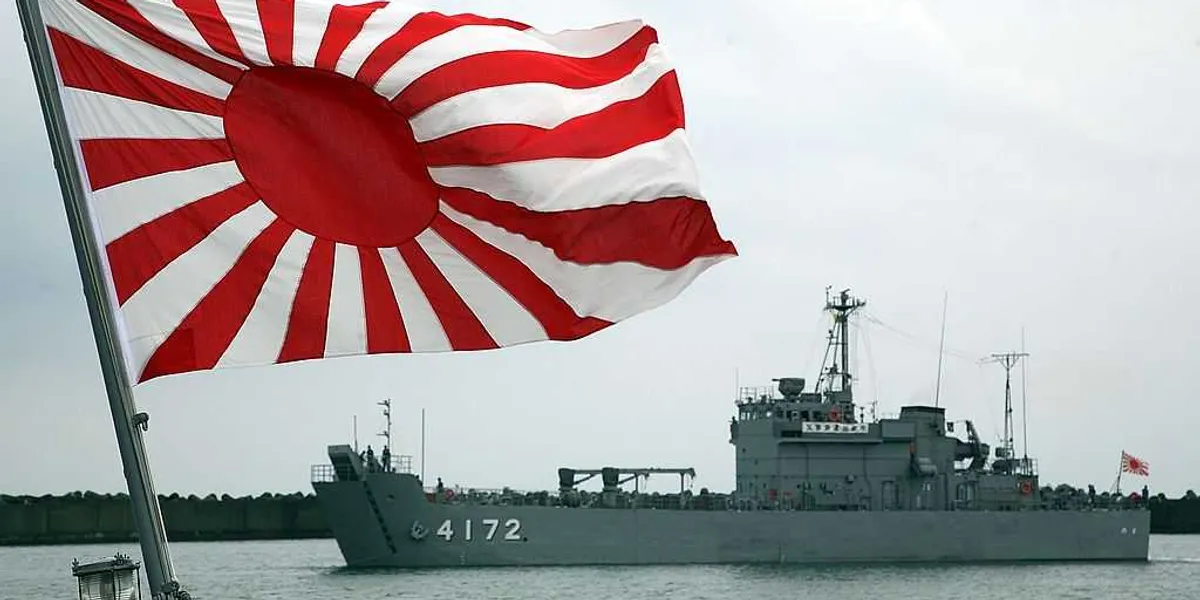
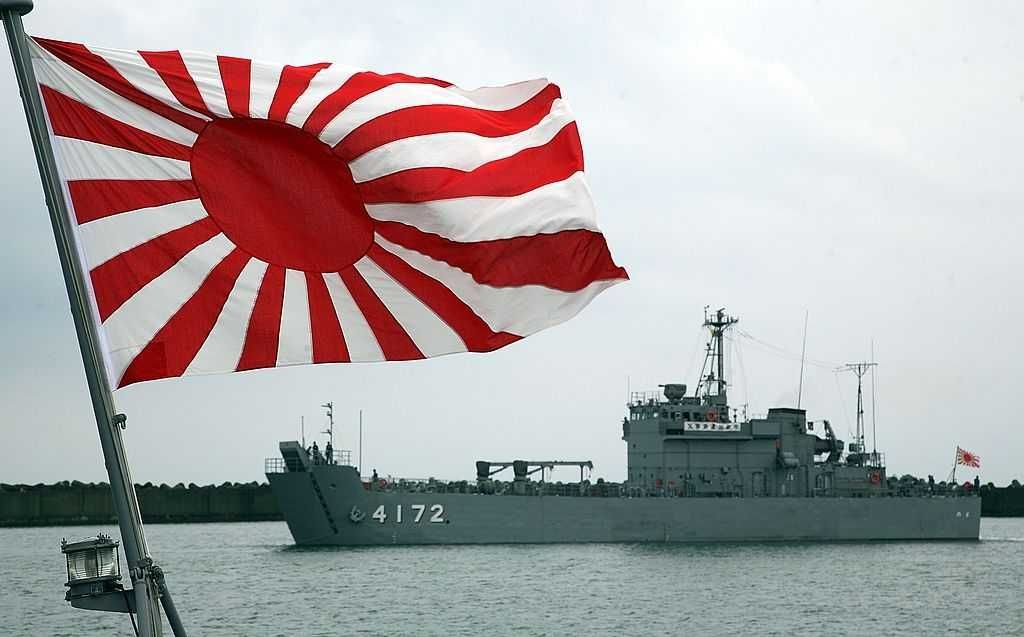
Japan transformed from an expansionist military power to a pacifist state within a decade after World War II, adopting a firmly non-nuclear posture after suffering atomic bombings on Hiroshima and Nagasaki. Yet Japan possesses one of the most advanced civilian nuclear infrastructures in the world, technically capable of creating nuclear weapons.
As debates in the United States intensify over alliance commitments and burden-sharing, questions about the credibility of America’s extended deterrence are growing. If that credibility weakens, Japan may find itself increasingly alone in deterring China, North Korea, and Russia.
As Japan becomes more militarized, nuclear pacifism may begin to be replaced with nuclear realism.
Japan is already reinterpreting elements of its postwar restraint, evident in the modernization of the Japan Self-Defense Forces and the acquisition of long-range counterstrike capabilities for “deterrence by punishment.” Will Japan do the same with nuclear weapons?
The nuclear threshold is near
Japan lacks nuclear warhead expertise, dedicated delivery systems, and secure nuclear testing infrastructure, but it does have the industrial, material, and financial resources to begin a nuclear weapons program.
Japan possesses full-scale nuclear fuel cycle facilities, accumulating over 45 metric tons of separated plutonium, enough to make thousands of nuclear weapons. Japan is projected to increase reliance on fast breeder reactors; these reactors produce more plutonium than they consume.
Japan is also building facilities that eliminate the need to outsource its spent fuel for reprocessing, allowing Japan to domestically produce separated plutonium. Some analysts estimate that Japan could develop a small nuclear arsenal within a year.
Despite Japan’s nuclear latency, it has not crossed the nuclear threshold. Other than public consensus and constitutional restraints, Japan is held back by technical and financial costs. Japan needs to develop nuclear weapons design expertise, delivery systems, and secure infrastructure, all financially and politically costly endeavors.
Furthermore, Japan’s civilian nuclear facilities operate under International Atomic Energy Agency safeguards. That makes it difficult to run a clandestine nuclear weapons program. While the costs are substantial, they are not prohibitive for a country with Japan’s industrial and technological capacity. Given its advanced nuclear power program and infrastructure and increasingly sophisticated military, Japan can develop the technical requirements for a nuclear weapons program in short order.
Hedging nuclear bets
Japan is a nuclear latent power, so the central issue is intent. Japan adopted what strategists call “insurance hedging,” entailing a cost-benefit analysis of U.S. extended deterrence to determine whether relying on U.S. nuclear weapons is worth the risk of Japan not having its own. Should U.S. extended deterrence fail or be perceived as too weak, Japan will claim insurance by developing nuclear weapons for its own protection.
Japan became an insurance hedger for two reasons: It wants the option to develop nuclear weapons and does not want to forgo U.S. extended deterrence. Japan relies on U.S. extended deterrence for security, but pursuing nuclear weapons could remove Japan from America’s nuclear umbrella.
RELATED: Trump’s Iran gamble: Peace Prize or Persian Gulf firestorm
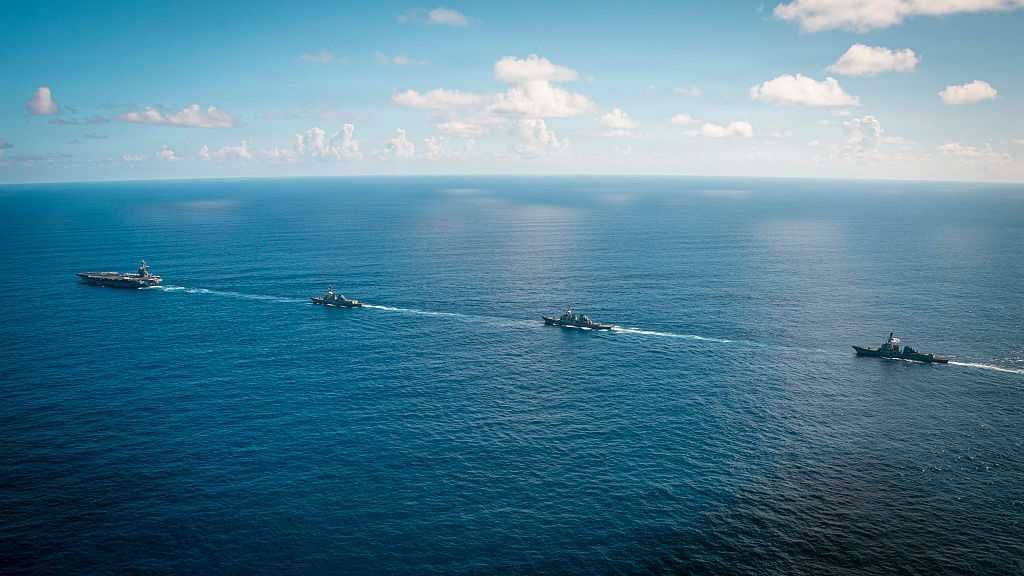 Photo by Tajh Payne/US Navy via Getty Images
Insurance hedging allows Japan to stay within U.S. extended deterrence while preparing for the possibility of abandonment or failure by the United States. Nuclear latency serves as leverage. If U.S. security guarantees weaken, Japan would retain the ability to respond independently.
Nuclear latency was always the plan
Japan’s nuclear latency is not an accident. As early as the 1950s, Japan deliberately preserved nuclear latency while relying on the United States for deterrence. Japan understood the deterrence value of nuclear weapons, especially in a security environment surrounded by nuclear powers and potential nuclear powers.
For Japan, the United States would serve as its nuclear deterrent, which allowed Japan to maintain its pacifist posture. Nuclear pacifism is still dominant in Japanese strategic culture, but as Japan becomes more militarized, nuclear pacifism may begin to be replaced with nuclear realism.
If U.S. extended deterrence no longer offers Japan the protection it needs, and domestic consensus against nuclear weapons is resolved, Japan could shift in favor of nuclear weapons. To create the JSDF, Japan reinterpreted Article 9 of the Japanese Constitution; Article 9 is an explicit “Renunciation of War” mandating that Japan never maintain “war potential.” Japan once reinterpreted Article 9 to build the Self-Defense Forces. Reinterpreting nuclear pacifism would be far more controversial, but not unprecedented.
Editor's note: This article was originally published by RealClearDefense and made available via RealClearWire.















 English (US)