.png)
 1 hour ago
8
1 hour ago
8
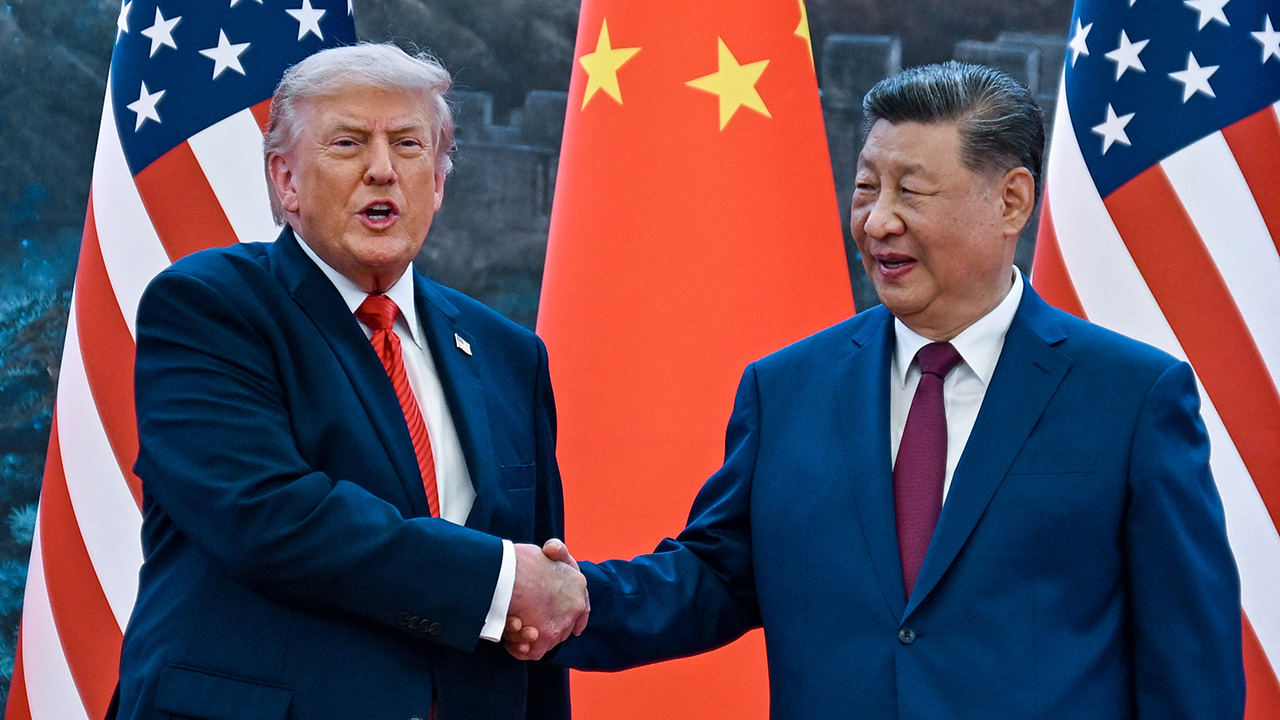
Chinese President Xi Jinping issued a stark warning to President Donald Trump that Taiwan could trigger "clashes and even conflicts" between the world’s two superpowers, injecting a note of potential confrontation into an otherwise upbeat summit in Beijing.
"President Xi stressed to President Trump that the Taiwan question is the most important issue in China-U.S. relations. If it is handled properly, the bilateral relationship will enjoy overall stability. Otherwise, the two countries will have clashes and even conflicts, putting the entire relationship in great jeopardy," Chinese Foreign Ministry spokesperson Mao Ning said following the meeting.
The White House, however, downplayed the exchange, with a senior administration official telling Fox News Digital that "both sides reiterated their long-stated stance on the issue and everyone understands each other’s position."
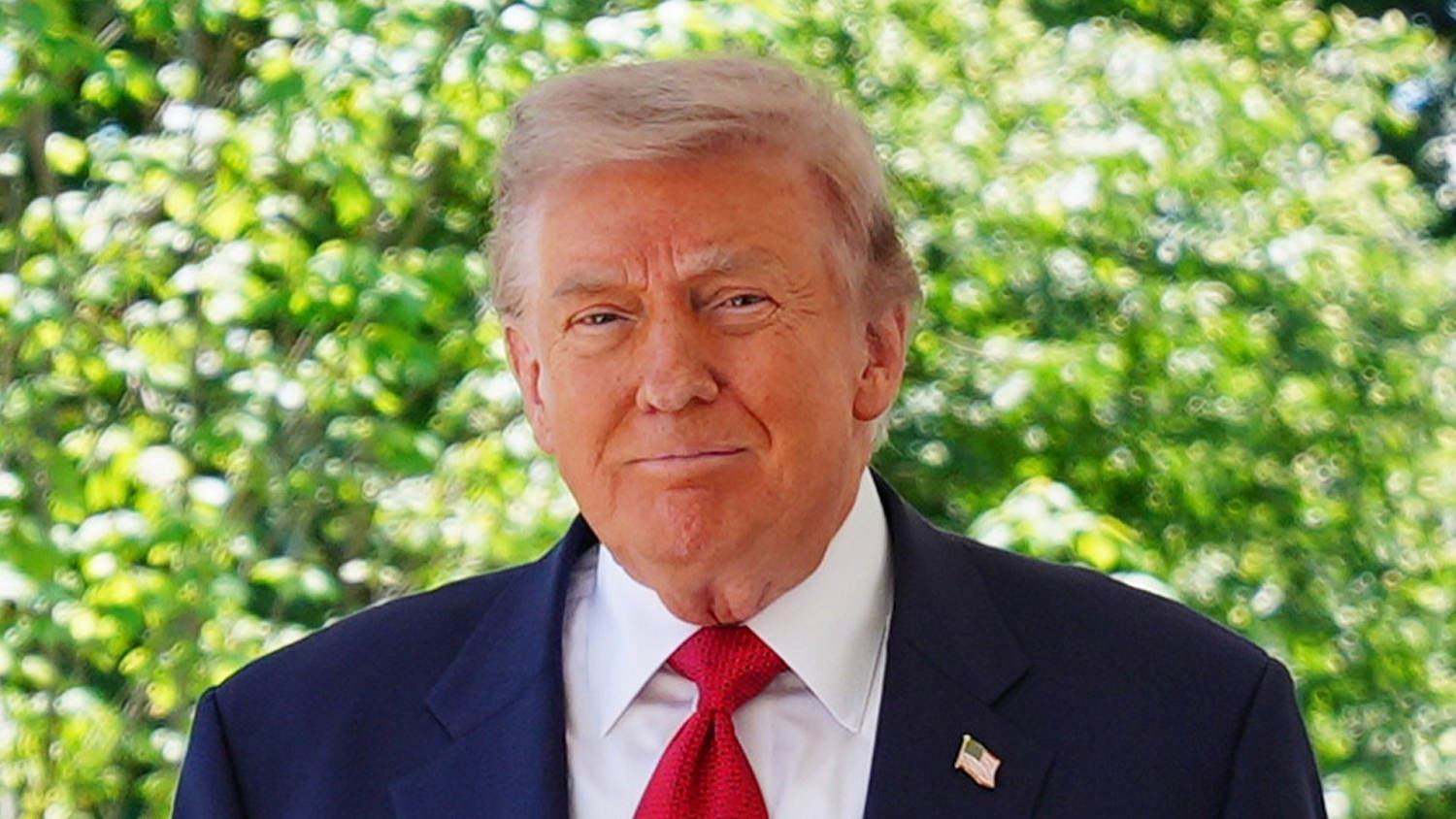
Trump struck a notably warm tone in his public remarks, predicting a "fantastic future together" and praising Xi as "a great leader" as the two leaders opened talks focused heavily on trade, investment and economic cooperation.
TRUMP HEADS TO BEIJING FOR HIGH-STAKES XI TALKS AS TAIWAN TENSIONS, TRADE DISPUTES TEST US STRENGTH
"In fact, the longest relationship of our two countries that any president and president has had," Trump said. "We've had a fantastic relationship. We've gotten along."
Senate Minority Leader Chuck Schumer, D-N.Y., blasted Trump following the meeting, accusing him of failing to respond forcefully to Xi’s warning.
"Just hours in, and Xi Jinping has already threatened to, quote, collide or even clash, unquote, with the United States if we continue our support for Taiwan. Trump apparently didn't say anything in response. He was just mute," Schumer said. "For the sake of democracy and the stability of the global economy. Trump must not sell out Taiwan. Trump must also safeguard the interests of American workers, families and businesses."
RUBIO SAYS COMMITMENT TO TAIWAN WON'T CHANGE AMID TRADE TALKS WITH CHINA
The exchange underscores how Taiwan — long the most sensitive and potentially explosive issue in U.S.-China relations — is re-emerging as a central fault line, even as both sides seek to project stability and focus publicly on trade and economic cooperation.
Analysts had warned ahead of the summit that the best-case scenario for Taiwan would be for the issue to stay off the agenda entirely, amid concerns Beijing could try to extract concessions or shape U.S. policy language behind closed doors.
Trump himself had suggested before the summit that U.S. arms sales to Taiwan could come up during discussions with Xi. He told reporters earlier this week, "I’m going to have that discussion with President Xi."
TRUMP ADMIN ANNOUNCES $11B TAIWAN ARMS SALES DEAL
That prospect alarmed some national security analysts, who warned against allowing Taiwan to become part of a broader U.S.-China negotiation over trade or other strategic issues.
"Taiwan needs to stay off the menu," retired Rear Adm. Mark Montgomery of the Foundation for Defense of Democracies said during a media briefing ahead of the summit. "If they’re on the menu and it’s about foreign military sales, it’s bad. If it’s on the menu and it’s about some kind of reimagining our statements, that would be worse."
Experts say even subtle shifts in wording could carry significant consequences. A change from the longstanding U.S. position that it "does not support" Taiwan independence to language stating it "opposes" it, for example, could be seized on by Beijing to bolster its claims over the self-governing island.
For decades, U.S. policy has walked a careful line — formally recognizing Beijing as the government of China under the "One China" policy, while maintaining unofficial relations with Taiwan and providing it with defensive weapons under the Taiwan Relations Act. Washington has also deliberately kept its military response ambiguous, a strategy known as "strategic ambiguity," aimed at deterring both a Chinese invasion and a unilateral declaration of independence by Taiwan.
After the summit, however, Secretary of State Marco Rubio sought to minimize the Taiwan portion of the talks, saying U.S. arms sales to Taiwan "did not feature prominently" in the discussions and insisting longstanding U.S. policy remained unchanged.
Chinese Embassy spokesperson Liu Pengyu reiterated Beijing’s longstanding position in a statement to Fox News Digital, calling Taiwan "an inalienable part of China's territory" and warning that China would "never promise to renounce the use of force" against "Taiwan independence" separatist activities.
"The DPP authorities’ obstinate pursuit of their separatist agenda is the root cause undermining peace and stability across the Taiwan Strait," Liu said.
Despite the tensions surrounding Taiwan, the public tone of the summit remained cordial, with both leaders emphasizing cooperation and economic ties.
Xi told Trump that "China and the United States both stand to gain from cooperation and lose from confrontation," adding that the two countries "should be partners, not rivals."
Trump arrived in Beijing accompanied by a delegation of top American executives, including Apple CEO Tim Cook, BlackRock CEO Larry Fink, Tesla and SpaceX CEO Elon Musk, and Boeing CEO Kelly Ortberg, underscoring the administration’s focus on trade and investment even as geopolitical tensions simmer beneath the surface.
 English (US)