.png)
 3 hours ago
13
3 hours ago
13
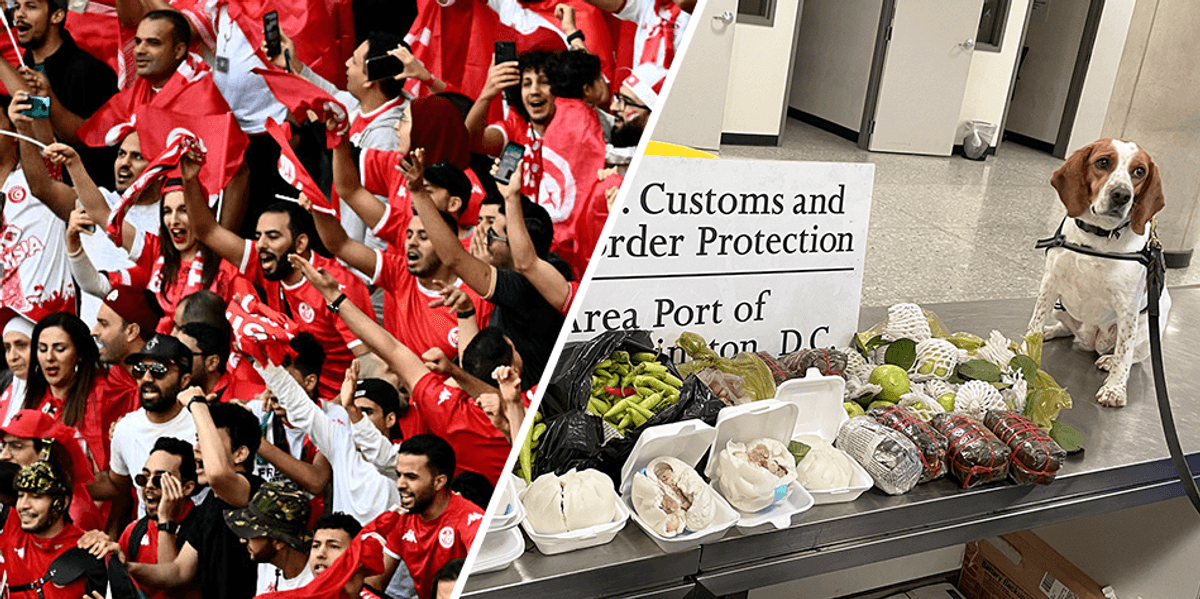
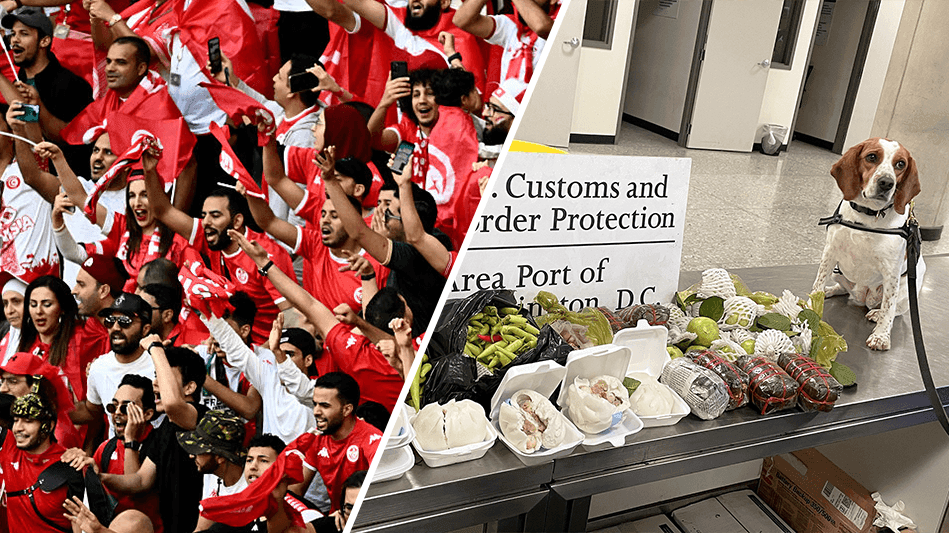
Border authorities are signaling that increased caution is needed at American airports and points of entry during the World Cup.
While federal agencies have warned that they expect a rise in potentially harmful products, travelers from countries known for agricultural viral outbreaks have already been caught bringing forbidden items to the United States.
'These products may seem harmless.'
U.S. Customs and Border Protection says that deadly viruses could come into the United States through prohibited agricultural products in passenger baggage, thus increasing risk to American livestock industries and citizen health.
Two such instances have already happened via travelers from Vietnam and Tunisia, the latter of which will participate in the World Cup.
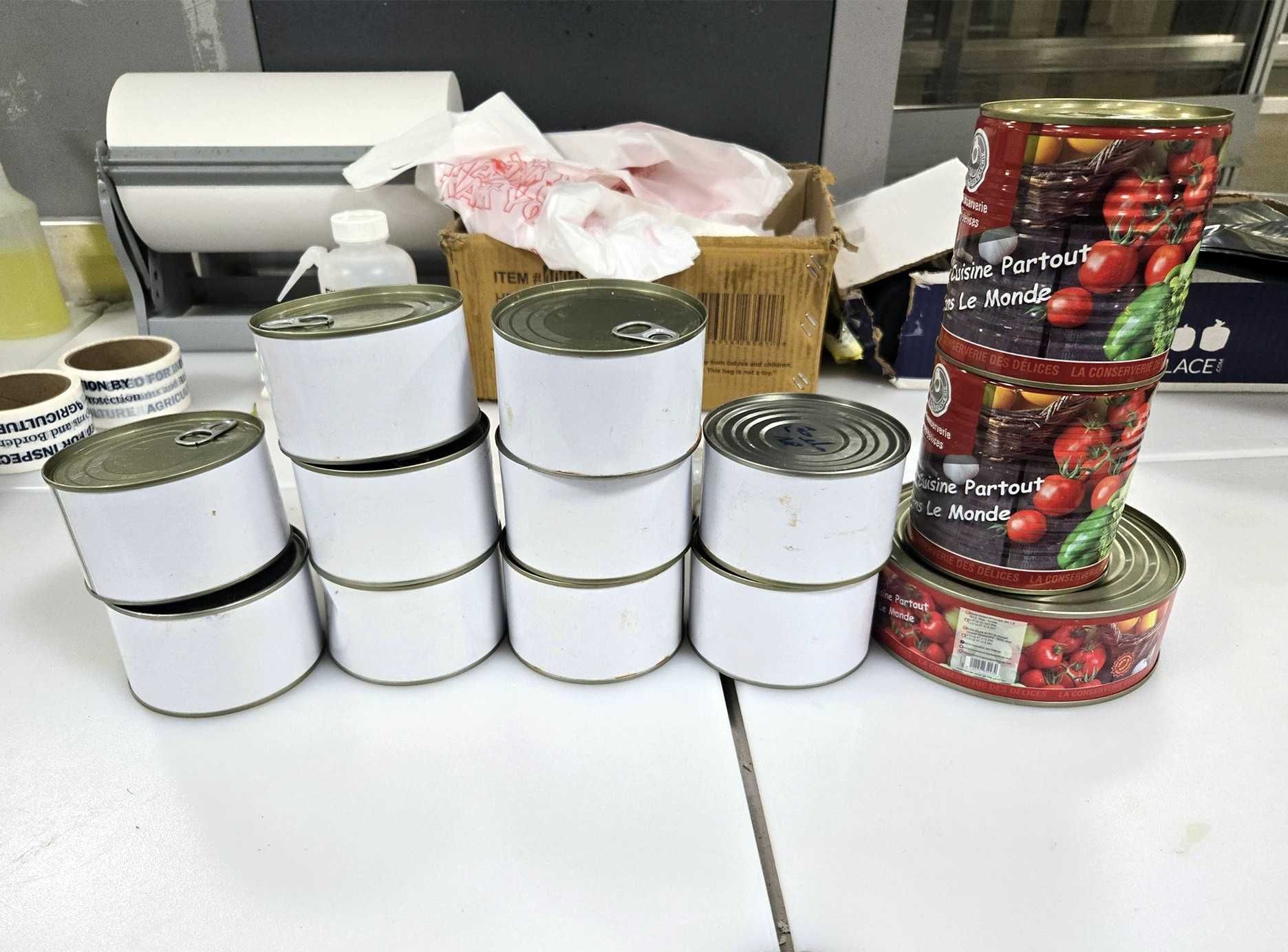
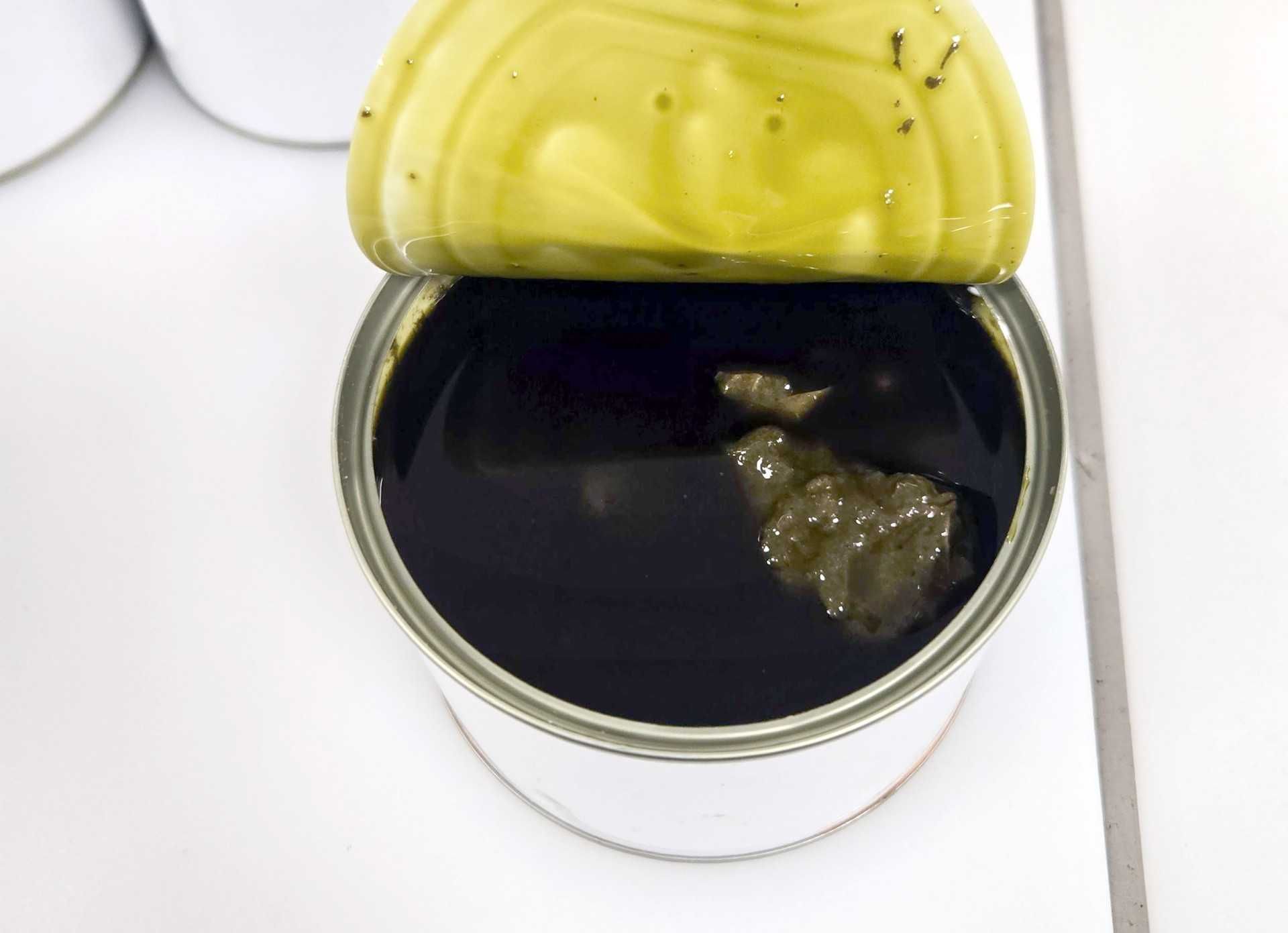
Tunisia will play in Kansas City, Missouri, on June 25, and one traveler from the country was already caught at Washington Dulles International Airport last week. CBP told Blaze News that authorities discovered the traveler was carrying 15 pounds of "canned ruminant meat" in his baggage, with the traveler claiming that his mother cooked and canned the meat before he came to the U.S.
CBP warned that Tunisia has had episodes of several brutal diseases that are "highly contagious" to livestock, including lumpy skin disease, epizootic hemorrhagic disease, and bovine tuberculosis.
A week earlier, CBP agriculture detector dog — a 3-year-old female beagle named Valen — alerted authorities to a potentially dangerous piece of luggage from Vietnam.
RELATED: Exclusive: Border Patrol discovers 19 people hiding in drainage system trying to illegally enter US
 US Customs and Border Protection
Valen was proven right when CBP agents conducting a secondary examination discovered 13 pounds of pork products and another 16 pounds of fruits and vegetables.
The federal agency warned about Vietnam's recent episodes of the deadly African swine fever, which could significantly affect the U.S. pork industry if it were to spread.
"These products may seem harmless, but the introduction of animal diseases could cripple our nation's livestock industries, cause devastating economic impacts, and restrict our ability to export pork or beef products across the globe," D.C. Area Port Director Christine Waugh said.
She added, "Customs and Border Protection agriculture specialists play a vital role in protecting our nation's agriculture industries and economic security by intercepting potential animal diseases and invasive insects at our nation's ports of entry."
 US Customs and Border Protection
CBP is urging travelers to visit its prohibited and restricted items list, which contains warnings about items like alcohol, fruits and vegetables, and even dog and cat furs.
Other important information about traveling with agriculture is mapped out on the USDA travel page.
As for Valen, the detector dog is part of the CBP's "Beagle Brigade."
"When it comes to finding prohibited fruit, vegetables, plants, and meat products from high-risk countries, the nose knows. A trained agriculture detector dog can scan a piece of luggage for smuggled or forgotten fruits in mere seconds," CBP stated.
The K9 program was founded in 1984 at the Los Angeles International Airport with just one beagle. The breed has a great sense of smell, is non-threatening to travelers, and performs well in public settings.
Like Blaze News? Bypass the censors, sign up for our newsletters, and get stories like this direct to your inbox. Sign up here!













 English (US)