.png)
 1 hour ago
2
1 hour ago
2

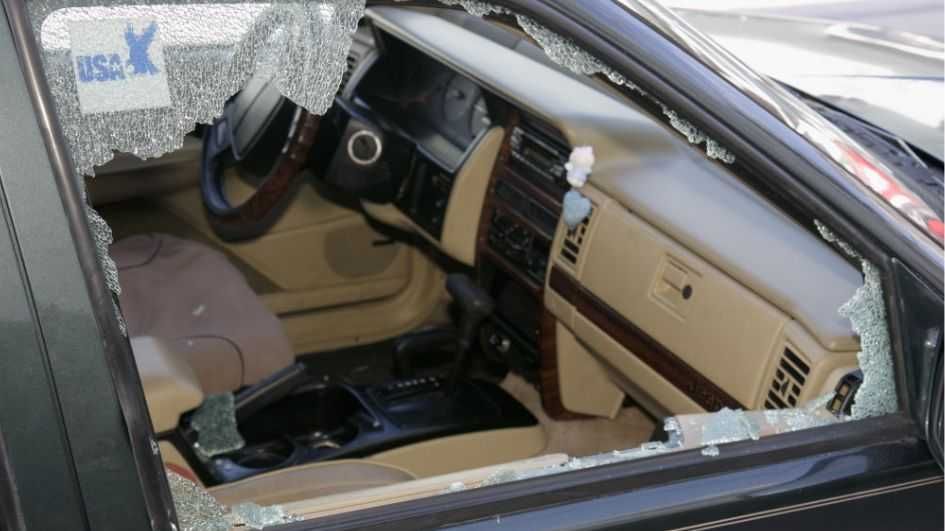
For years, Americans were told newer cars would be harder to steal.
Smarter security and keyless entry were supposed to usher in a new era for car owners. Instead, car theft is becoming faster, quieter, and far more sophisticated.
Consumers shouldn’t have to rely on 1990s anti-theft devices to protect vehicles loaded with modern technology — but that's where we've arrived.
Federal prosecutors in Washington, D.C., recently charged six people tied to an international theft ring accused of stealing more than 100 vehicles in the D.C. area.
No smash and grab
It's how they did it that should make us all concerned: a simple handheld device that can reportedly program a new key fob directly into a vehicle’s system — sometimes in about a minute.
No broken window, no smashed ignition, no dramatic Hollywood-style escape.
Just unlock the vehicle, program a key, and drive away.
Handheld device
According to prosecutors, the group used a device known as an Autel to bypass vehicle security systems and generate working keys on the spot. These are tools designed for locksmiths and dealerships, but criminals are now using them to steal cars with alarming speed.
And this wasn’t random street crime.
Investigators say stolen vehicles were moved into parking garages and other “cool-off” locations where VIN numbers were altered, tracking systems disabled, and identifying information changed before the cars were shipped overseas — often hidden inside containers labeled as furniture.
The Autel MaxIM KM100 is commercially available online for a few hundred dollars. It’s small enough to fit in one hand and reportedly works on hundreds of vehicle models.
Automakers spent years selling convenience features as progress. But every layer of convenience also creates another possible vulnerability — something that criminals figured out quickly.
RELATED: Why Tesla’s latest road test could be BAD NEWS for Washington
 NurPhoto/Getty Images
Daily drivers
The vehicles targeted in this case included mainstream models like Chevrolet Camaros, Corvettes, and Honda Civics — not rare exotics sitting behind gated mansions. This isn’t just a luxury-car problem anymore. It’s becoming a mainstream problem tied directly to how modern vehicles are designed.
When vehicles become easier to access electronically and harder to track once they disappear, organized crime adapts fast. And investigators believe this case may only expose part of a much larger network.
So what actually works now? Ironically, some of the best protections are old-school.
Police departments are once again recommending steering wheel locks and Faraday pouches because modern theft methods depend on speed. A visible steering wheel lock adds time and attention — two things thieves don’t want.
Consumers shouldn’t have to rely on 1990s anti-theft devices to protect vehicles loaded with modern technology — but that's where we've arrived.
Automakers have raced to add more connected features, more apps, and more digital access points. Security hasn’t always kept pace, and now the industry is dealing with the consequences.
There’s also a growing debate over devices like the Autel system itself. These tools absolutely serve legitimate purposes for repair shops and locksmiths. But critics argue there are too few restrictions on who can buy them and how they’re used.
That conversation is only going to get louder as these thefts continue spreading.
The next time you park your vehicle, the real question may not be whether someone can break into it.
It’s whether he can simply program his way in.















 English (US)