.png)
 2 hours ago
2
2 hours ago
2
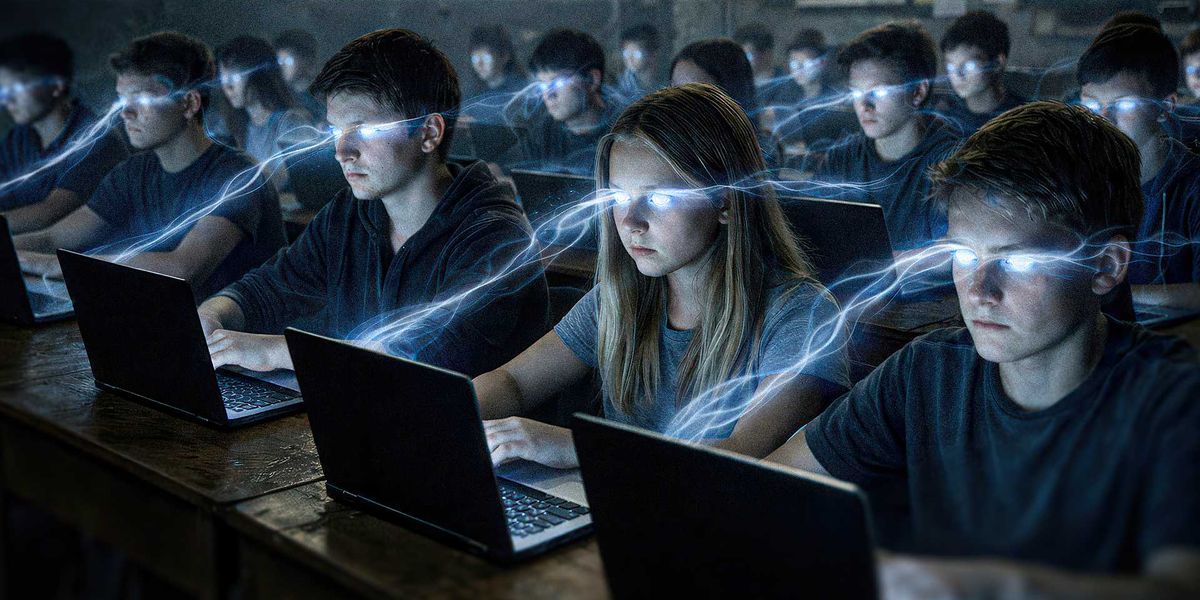
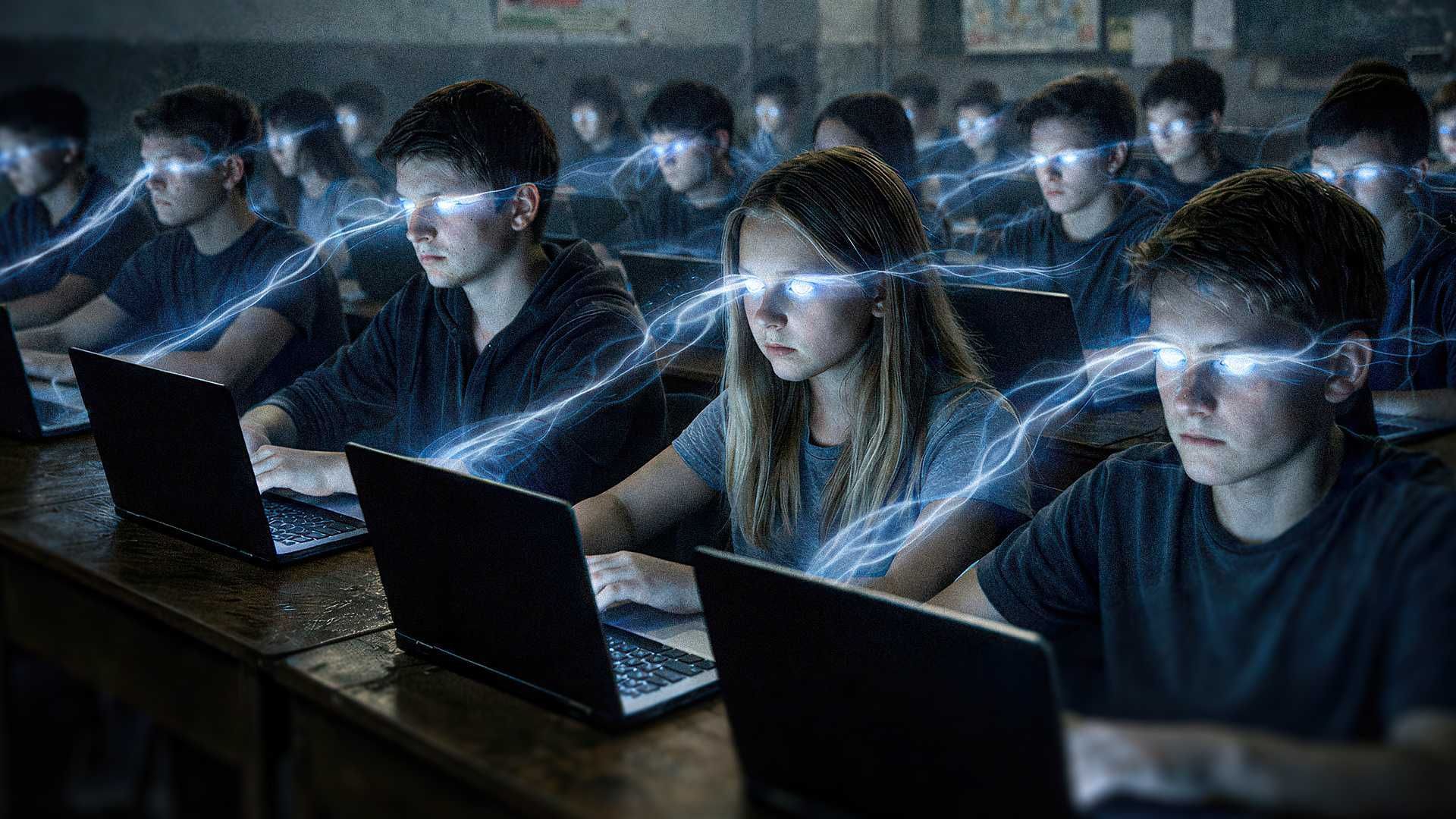
A recent Fortune magazine article made waves with a grim admission: After more than $30 billion spent flooding classrooms with laptops and tablets, standardized scores keep sliding. Worse, neuroscientists now link more classroom screen time to lower performance. The device meant to modernize learning may be helping to unmake it.
Schools rushed into a technological revolution without asking the most basic question: What does this do to a child’s mind? Many teachers saw the answer firsthand and in real time. Administrators and “experts” ignored them because the fad sounded like “progress.”
A concerted push to remove screens from classrooms needs to begin now. Put the devices where they belong: limited tools, not the center of learning.
I taught history and civics in Florida public schools as the laptop trend took hold. Computers had sat in classrooms since my own childhood, but they played a supporting role. A few desktops in the back helped with research. A computer lab handled bigger projects. Most learning still happened on paper with books, notes, and conversation.
Then the Chromebook arrived: cheap, durable, limited, and perfect for one thing — living inside a web browser. Suddenly a district could put a machine not just in every room but in the hands of every student.
Buzzwords beat judgment
Public-school administrators love buzzwords. “Technological literacy” sounds noble, as if every ninth grader is training for Silicon Valley while working on their grammar assignment. Google did not just sell discounted laptops. It supplied a full ecosystem: Docs, Sheets, Slides, Classroom. The whole apparatus of schooling migrated into Alphabet’s software suite. Few people in the system asked why a private company wanted to become the operating system of childhood.
The laptop push also fit the religion of metrics. District offices love anything that produces dashboards, timestamps, and “engagement” graphs. A worksheet completed on paper frustrates the spreadsheet priesthood. A worksheet completed on a Chromebook generates data. The device did not just enter the classroom; it entered the managerial imagination, where metrics matter more than minds.
Once laptops became ubiquitous, the problems announced themselves. The deeper the integration, the harder it became to control.
Cheating became routine. Students searched answers in seconds. The larger problem went beyond quizzes. Googling replaced thinking. Kids refused to read because they assumed a quick search and a copy-paste counted as “learning.” Wikipedia became the default authority. Students stopped vetting anything because they treated the first search result as truth. Even writing shifted. Instead of building an argument, students stitched together paragraphs from the internet and hoped the teacher felt too tired to fight.
RELATED: The world changed, and now we homeschool
 Cemile Bingol via iStock/Getty Images
The distraction machine
Schools tried parental controls. Teenagers treated those controls as a challenge. When thousands of bored adolescents share a building, they collaborate. A new filter went up; within days, kids found a workaround. Soon the screens again showed games, movies, even pornography — during class, in plain view, behind a pretense of “work.”
Students used shared Google docs as a covert messaging system. They gossiped, bullied, and planned actual crimes while keeping a document open to look studious. My school eventually held assemblies to remind students that everything typed into a document leaves a record and that bragging about criminal activity or sexual escapades can end up as evidence.
All of that raised another issue: privacy and capture. Google did not subsidize devices and software out of corporate charity. By making Google search and Google apps the center of a child’s information life, the system trained dependency. Google finds the truth. Google organizes the truth. Google presents the truth. A student’s education happens inside a Google ghetto. Pretend the company is not collecting that data if you want, but the incentives cut the other way.
Screens also fed the attention crisis. Administrators told teachers to stop showing videos longer than three minutes without pausing to explain because students could not stay focused. The device that was supposed to expand horizons kept shrinking attention spans. Teachers began competing with the entire internet for a child’s attention, and no lesson plan can win that contest for long.
Locked into the system
The system made escape difficult. Florida went all-in on Chromebooks and tied them to everything. Standardized tests moved entirely onto laptops. “Test prep” software got woven into daily coursework. Students with accommodations or limited English got pushed toward the device as a universal crutch. Denying a Chromebook got treated as denying an education. Teachers who resisted risked discipline.
I reached a point where my students mattered more than compliance. I rebuilt my classroom around paper, books, and discussion. Students used Chromebooks only for mandated testing and accommodations we could not meet otherwise.
The shift showed results fast. Students engaged more. Distraction dropped. Discipline improved. More assignments got finished. Grades rose.
Then COVID-19 struck.
RELATED: America’s new lost generation is looking for home — and finding the wrong ones
 Wavebreakmedia via iStock/Getty Images
Remote learning turned the screen into the classroom itself. Even Florida, which resisted lockdown hysteria, shifted much of schooling online. Learning fell off a cliff. The lockdowns devastated achievement, but the damage did not end when students returned in person. After COVID, it became nearly impossible to pry students, parents, and administrators away from screen-based schooling. Digital integration became mandatory. No exceptions.
Now the corporate press arrives to play cleanup. Reporters discover the failure well after the money has been spent, the infrastructure has hardened, and a generation has been trained to treat a browser as a brain.
A way back
Public education is stuffed with managerial drones who chase consensus and trends while ignoring what helps students. The bureaucracy will keep this program alive through sheer inertia even as evidence piles up. Parents and lawmakers need to force a reset: paper-based instruction as the default, screens as a tightly limited accommodation, and tests that reward reading and writing instead of clicking. Districts should stop outsourcing childhood to Big Tech, stop laundering ideology through “digital citizenship,” and start treating attention as a scarce resource worth defending.
A concerted push to remove screens from classrooms needs to begin now. Start with elementary grades. Bring back books. Bring back handwriting. Bring back sustained attention. Put the devices where they belong: limited tools, not the center of learning.
Kids learn slower, but they learn for real.














 English (US)