.png)
 2 hours ago
2
2 hours ago
2

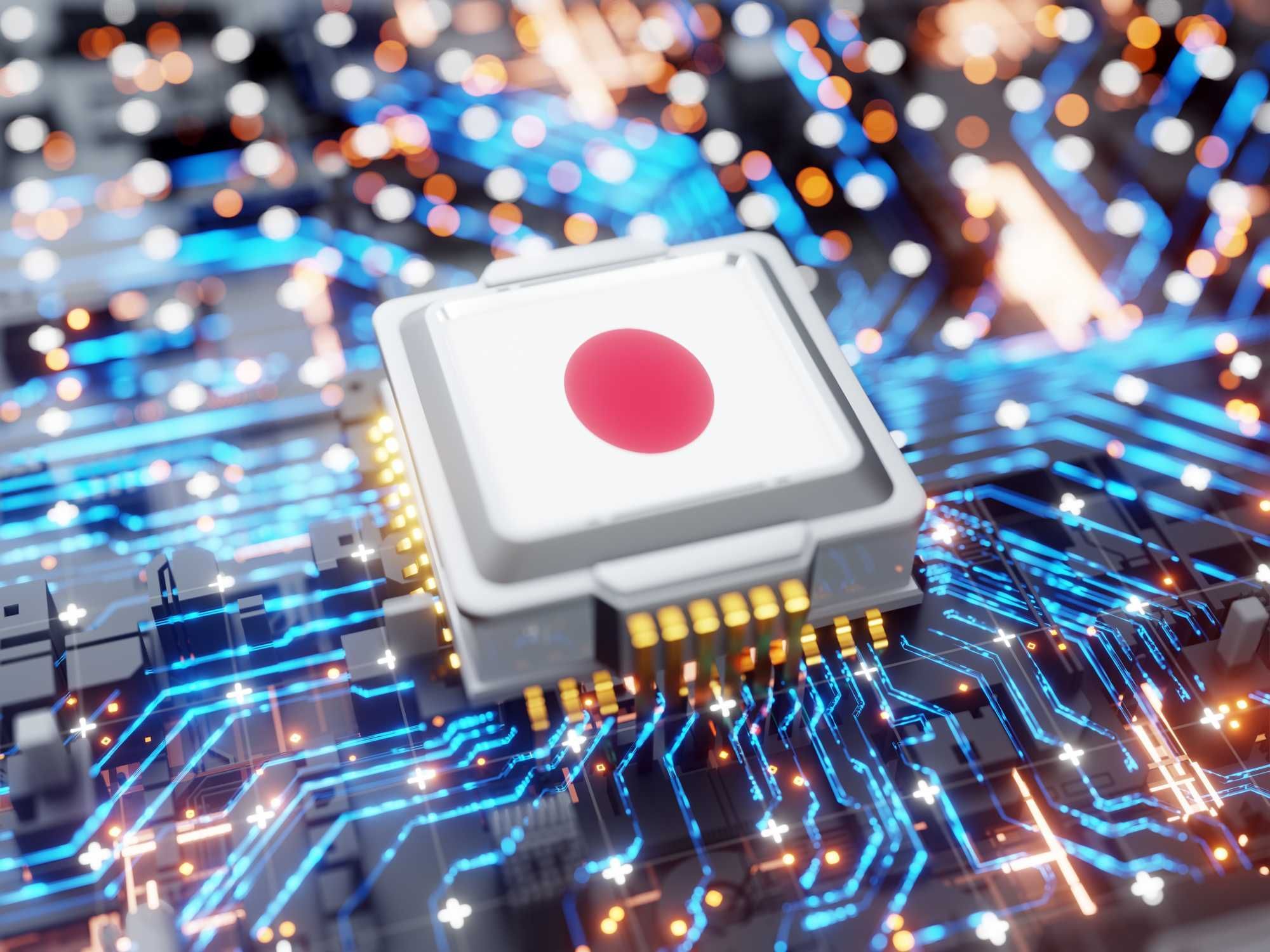
One might look at a map of the Pacific and see not nations or cultures, but single points of failure. A current focus of the United States is Taiwan, a humid, densely populated island that holds the world’s advanced chip capacity in a terrified embrace. The new conversation, the one taking place in strategy memos and industrial planning committees, seeks a failover, a backup system, cooler and less contested. The location is Hokkaido.
The Japan External Trade Organization does not suggest that this Northern Japanese island would entirely replace the sweltering, sleepless efficiency of Hsinchu Science Park. The ecosystem in Taiwan is too sticky, too deeply rooted in decades of institutional memory to be simply lifted and dropped elsewhere. Instead, Hokkaido would be a geopolitical insurance policy, a second, colder, resource-abundant location where a new chip cluster could be built, far from the Taiwan Strait, in a place where the water is plentiful and the missiles are more friendly.
Technology can transform a place from a frontier of agrarian settlement to a node in a global machine.
The analogy between the two islands is tempting, but it highlights difficulty as well as opportunity. Taiwan’s dominance was not an accident of geography; its capacity was built over decades, a deliberate accretion of state-backed R&D institutes and land policy that treated universities and public infrastructure as tools of industrialization. For Hokkaido to become the “new Taiwan,” this density, the sheer weight of human skill and accumulated knowledge, would need to be duplicated. The timeline to do so might be longer than desired.
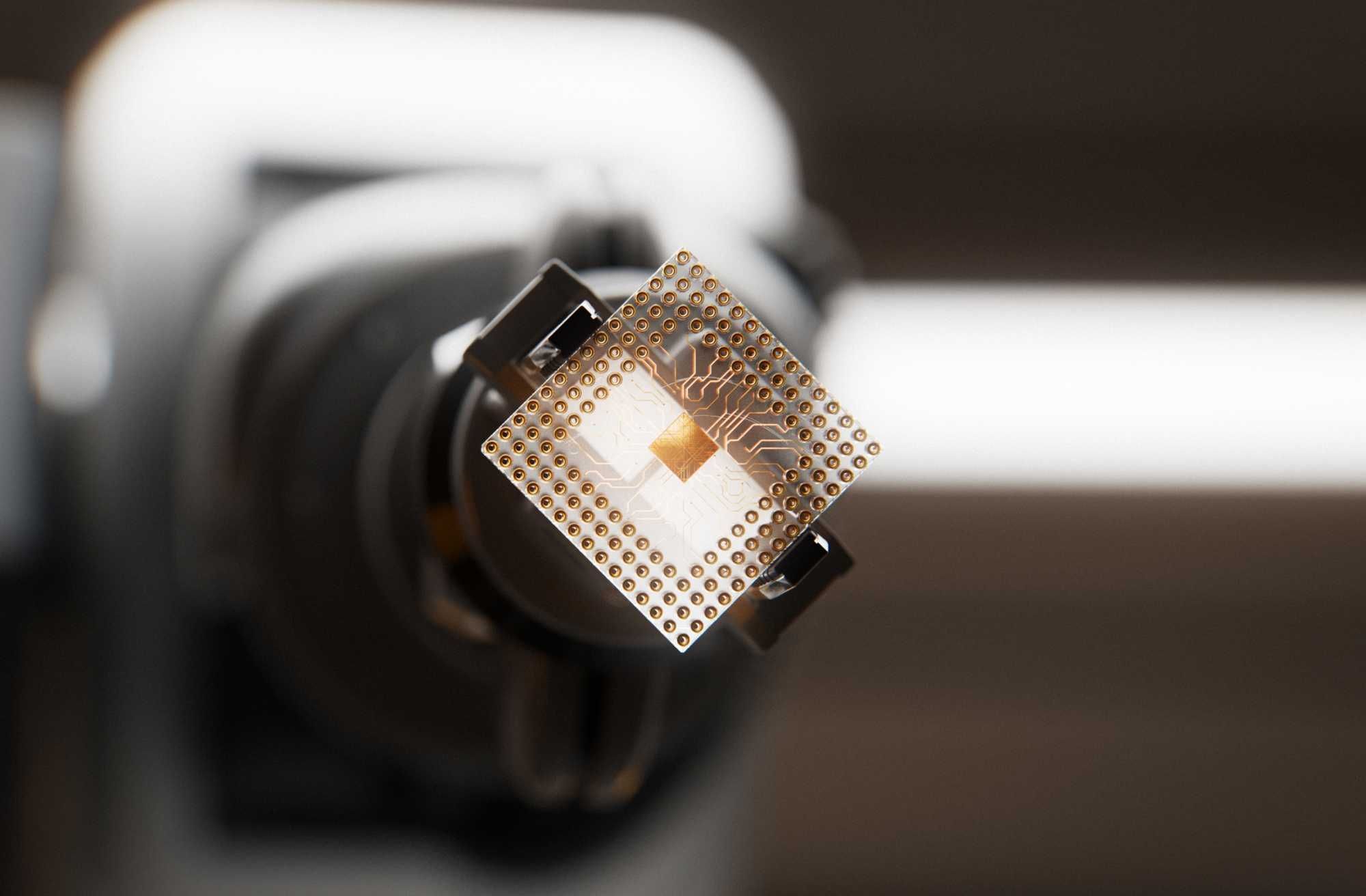
The centerpiece of this ambition is a company called Rapidus and a site in the Chitose area known as IIM-1. The timeline is aggressive: a pilot line begun in 2025, mass production by 2027. The goal is the 2nm-class chip, utilizing gate-all-around structures, a technology at the threshold of modern capability. Rapidus has already installed an EUV lithography tool, a machine that uses 13.5 nanometer wavelength light to print patterns so fine they exist at the edge of visibility.
RELATED: America's technological horizon
 luza Studios/Getty Images
An EUV scanner is not just a machine. It is a geopolitical asset, intertwined with export controls, national anxieties, and the supply chains that have become a source of concern. The machine sits in Hokkaido, but the sociotechnical world required to run it has yet to be assembled. Advanced manufacturing depends on highly situated know-how, the yield learning and micro-decisions of production that do not travel well. One recalls the friction of bringing the Taiwan Semiconductor Manufacturing Company to Arizona, where the transplant of a workplace culture proved harder than the pouring of concrete.
However, Hokkaido does offer something Arizona cannot: water. A region holds a portfolio of critical features: water security, renewable energy, risk distribution. Taiwan has been plagued by droughts that force chipmakers to truck in water, a reminder that the most advanced technologies still rely on the Earth. Hokkaido, by contrast, touts its snowmelt and its wind. Rapidus explicitly lists abundant water and the attractiveness for living as key reasons for its location.
The strategy bleeds into something like lifestyle marketing. The “Hokkaido Valley” is being sold not only as an excellent location for factories, but as a cure for the density of metropolitan life. The location attempts to solve two problems at once: the fragility of the global chip supply and the demographic collapse of rural Japan. The country’s development plans have long been concerned with population decline and the survival of communities. The semiconductor strategy offers a new answer: import the engineers, promise them nature, and call it compute sovereignty.
The project is not without risks. Tacit yield knowledge cannot be moved like a warehouse. An attempt to compress Taiwan’s 40 years of industrial layering into a single decade in Chitose is a gamble. Yet there is already motion toward the new location. By early 2026, reports surfaced of TSMC planning 3nm production in Japan, alongside Rapidus’ 2nm targets. The vision is of a multisite future, a diversification of risk across a map that feels increasingly unsafe.
The redesign of Hokkaido as an interface between global networks and local survival is instructive. The government of Japan is now planning for a future in which semiconductor-related total sales are a metric of national health. Technology can transform a place from a frontier of agrarian settlement to a node in a global machine, where the water and the wind and the cold are no longer just weather, but assets in a calculation of security. The chips, if they come, will be small. The rearrangement of the world required to make them is very large.













 English (US)