.png)
 1 hour ago
4
1 hour ago
4

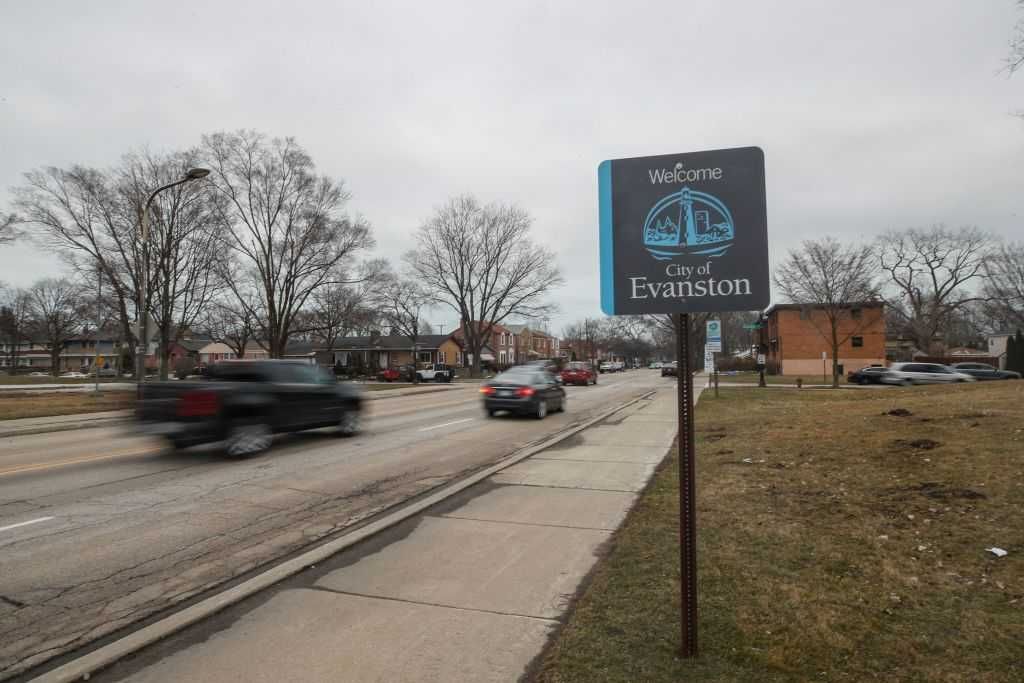
A white-majority Chicago suburb is preparing to distribute hefty cash payments to dozens of black residents as part of the city's $10 million reparations pledge.
Black residents and descendants of black residents who lived in Evanston, Illinois, between 1919 and 1969 are eligible to receive the payments. Evanston plans to pay $25,000 to 44 qualifying black residents.
'They are just entirely giving money, usually to black residents solely on the basis of race.'
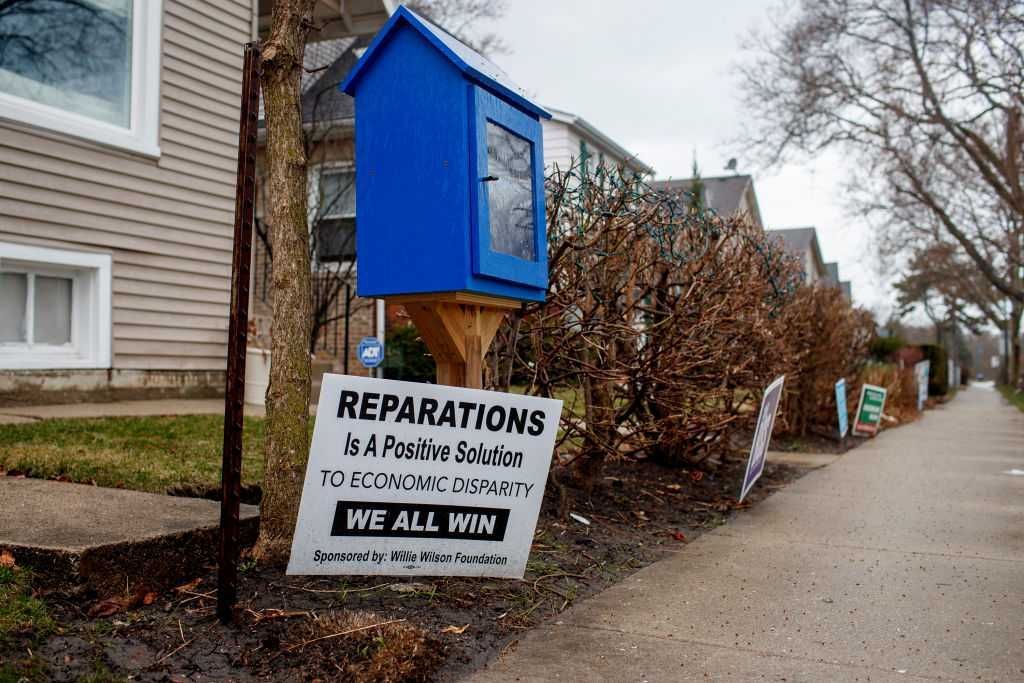
The City's Reparations Committee previously pledged $10 million over a decade as part of its Reparations Program, which was established in 2019 and approved by the city council in 2021. The government-funded program is the first of its kind in the U.S.
Cynthia Vargas, Evanston's communications and community engagement manager, told the Chicago Tribune that payments to the 44 individuals are intended to cover housing expenses.
The city has allocated over $270,000 to its Reparations Program, funds that it collected from the real estate transfer tax. The program also receives funding from the city's 3% Cannabis Retailers Occupation Tax, though it is unclear how much.
The Reparations Committee has proposed providing additional funding to the program through a potential tax on Delta-8 THC products, a psychoactive substance found in cannabis that is sold in vapes and gummies.
RELATED: Chicago suburb starts disbursing $10 million reparations package to black residents
 Armando L. Sanchez/Chicago Tribune/Tribune News Service via Getty Images
"Delta-8 products tend to be rather inexpensive, so the tax on them, it likely won't be a huge revenue stream, but it is revenue," Alexandra Ruggie, the city's corporation counsel, stated. "The other thing that we will have to work out with our finance team is how to go about collecting those taxes, whether we tax it when there's a point of sale at an Evanston business, or whether or not we tax it when those businesses buy it from the supplier."
RELATED: Trump pulls US out of 'racist' UN forum pushing 'global reparations agendas'
 Carolyn Cole / Los Angeles Times via Getty Images
Judicial Watch, a conservative watchdog, filed a lawsuit against Evanston last year, arguing that the Reparations Program used race as an eligibility requirement and therefore violates the 14th Amendment's Equal Protection clause.
"There's a right way and a wrong way to do them," Michael Bekesha, a senior attorney at Judicial Watch, told Fox News Digital. "So reparations are to repair. And so we have provided in this country reparations in the past when somebody has been wronged by the government, and we try to make that person whole."
"The reparations programs that you're seeing around the country that are being talked about aren't that. They are just entirely giving money, usually to black residents solely on the basis of race. And I mean, that's just problematic," Bekesha added.
A spokesperson for the city told Fox News Digital that it cannot respond to ongoing litigation.
According to 2020 census data, more than 46,000 of Evanston's 78,000 residents identify as "white alone." Just 12,500 identify as "black or African-American alone."
Like Blaze News? Bypass the censors, sign up for our newsletters, and get stories like this direct to your inbox. Sign up here!









 English (US)