.png)
 1 hour ago
3
1 hour ago
3

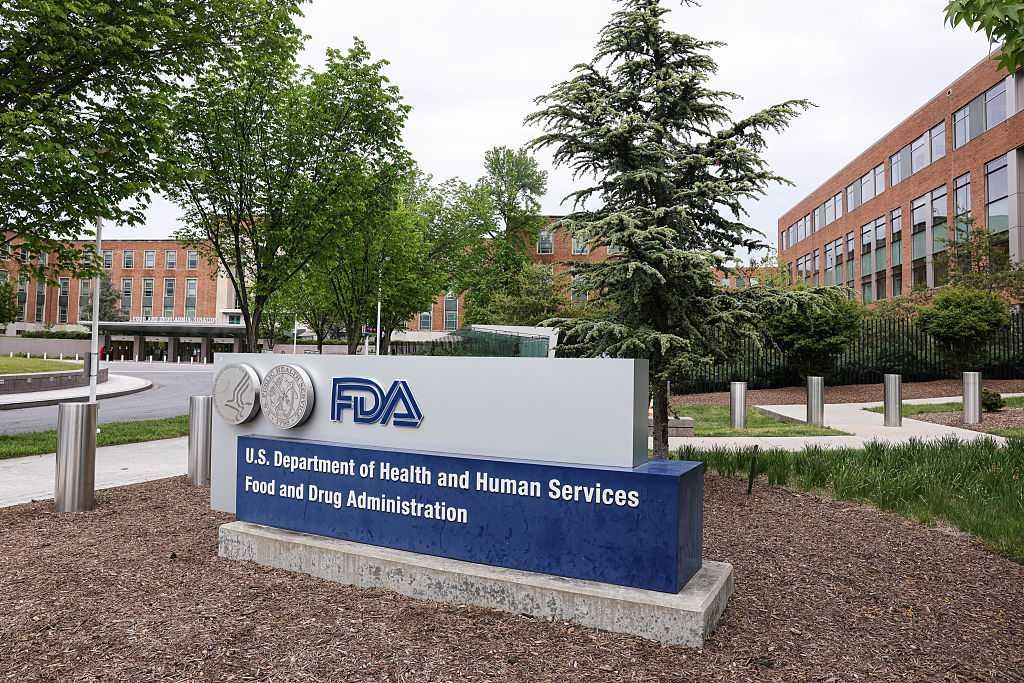
Last month, while many veterans celebrated Joe Rogan and President Donald Trump’s support for psychedelic drugs, those in the Huntington’s disease community like me faced another disappointment. UniQure, a company with a promising treatment, may be abandoning the U.S. market because of bureaucratic roadblocks.
I’m not the president or the world’s most popular podcaster. What I am is a daughter who has tested positive for the Huntington’s disease gene and will one day exhibit the same symptoms of this disease that ate away at my father’s personality and his mind until he took his own life.
The FDA’s answer always seems to be the same when it comes to rare disease treatments: Wait, wait, and then wait some more.
I have advocated for the Huntington’s disease community, both in my father’s memory and with the hope that my future will be different from his. The outlook is dim for those like me unless the Food & Drug Administration allows access to treatments like AMT-130, which UniQure is now advancing first in the U.K. after the FDA’s unreasonable demands pushed the United States down the priority list.
Those demands are disastrous for Huntington’s disease patients. Launching a placebo trial under the FDA’s proposed new criteria would require non-therapeutic injections into the brains of study patients — hardly aligning with medical ethics.
Even without the basic inhumanity of this type of trial, Huntington's patients simply cannot afford the years it would take to complete it. We are living on a much shorter timeline, defined by a merciless disease that is both progressive and fatal.
I’m glad that veterans are getting the attention they deserve and that they have the support of influencers like Rogan. But it raises an important question: Why should it take a celebrity and the president to push the FDA to follow basic common sense and medical best practices?
For years, the rare-disease community has done everything we were told would make a difference. We organized, advocated, and pushed for change with whatever strength we had, often while managing devastating diagnoses and worsening symptoms.
Parents of children with Duchenne muscular dystrophy and Sanfilippo syndrome, to name but two groups, have advocated while watching their children decline.
The FDA’s answer always seems to be the same when it comes to rare disease treatments: Wait, wait, and then wait some more. That means we’re running down hours on a clock that ticks ominously louder with every passing month. We don’t have time for years of unnecessary testing.
RELATED: Want to live to 100? Don’t expect Big Pharma to help.
 Tom Merton/Getty Images
Rogan’s intervention shows that the system can move quickly when it wants to — certainly the president will listen when voices with direct access amplify a cause. Now we need to see that same urgency applied to treatments for rare diseases.
Families like mine are not looking for special treatment. We are only asking for the choice to take the risk of trying new medicines when all the old options have failed. After all, we know the future that awaits us.
President Trump already made the right move with the Right to Try Act, which gives terminally ill patients a pathway to access potentially lifesaving or life-extending treatments. It is critical that he push FDA officials to commit to the same right-to-try principles he championed in his first term.
Scientists are making incredible strides in treating rare diseases. But that innovation only matters if patients are allowed to use treatments already developed. Adults like me, and kids with terminal rare diseases whose parents approve, are absolutely willing to accept any risk that comes with trying a new therapy.
Until someone steps up to bat for people like me, our only alternative is the certaintyof an illness that will slowly, relentlessly ruin our lives and then snuff them out.











 English (US)