.png)
 2 hours ago
3
2 hours ago
3
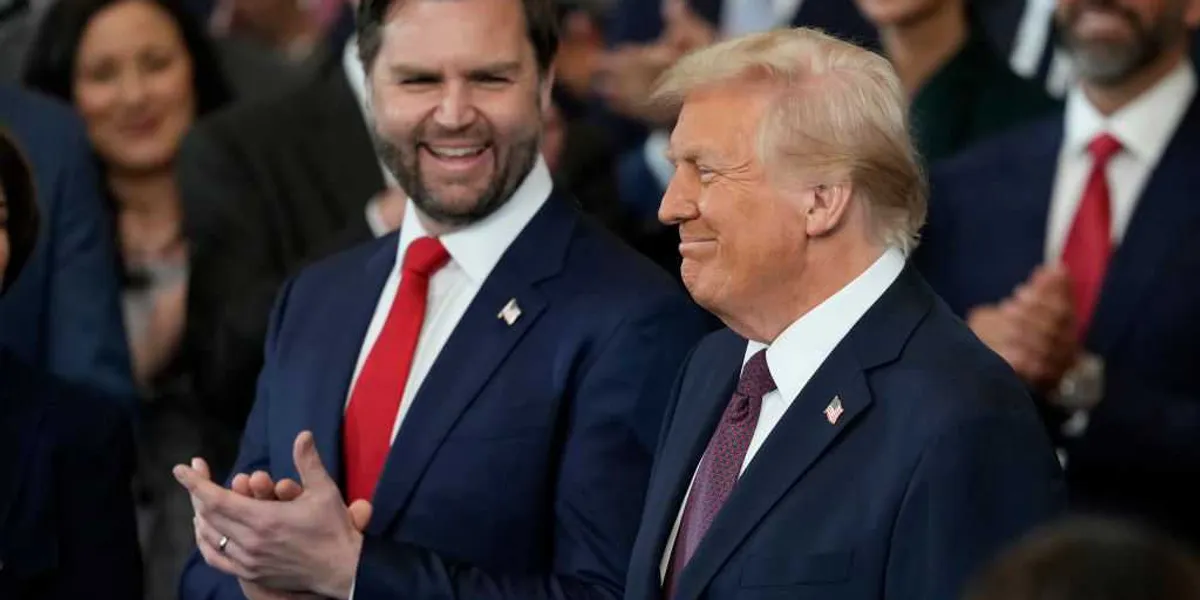
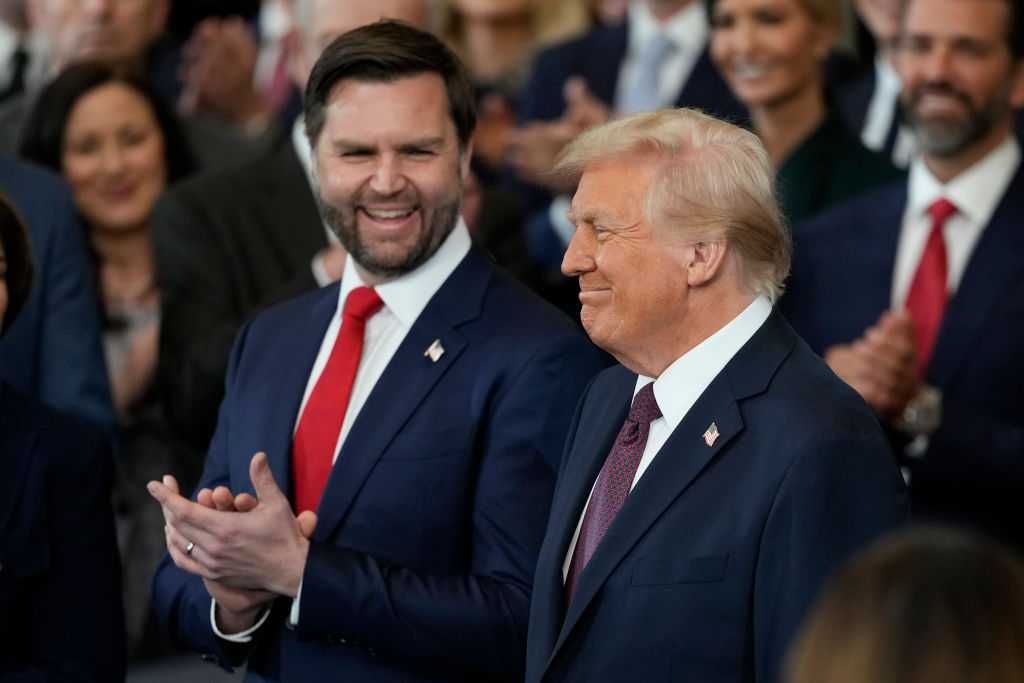
The recent announcement of a two-week ceasefire with Iran has been met with a striking rhetorical divergence within the American executive.
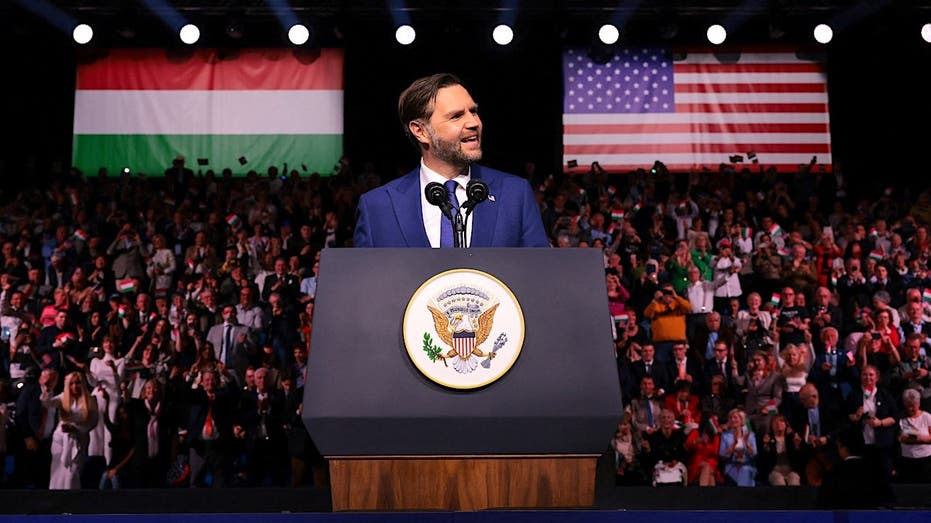
President Trump has been quick to frame the pause as a moment of total capitulation. Yet thousands of miles away in Budapest, Vice President JD Vance has offered a far more somber assessment.
In the world of power politics, the most effective strategy is often the one that keeps the adversary off balance.
Describing the agreement as a "fragile truce," Vance warned that the deal is being misrepresented by hard-liners in Tehran who are "lying about even the fragile truce that we've already struck." This is not merely a case of a disorganized administration; it is the emergence of JD Vance as the necessary realist anchor in a high-stakes diplomatic gamble.
For years, the critique of American foreign policy has been its lack of internal coherence. But the Trump-Vance dynamic represents a different model. It is a form of strategic skepticism that allows the administration to pursue diplomacy without appearing naive.
In this arrangement, Vance has taken on the role of the "adult in the Situation Room," providing a counterweight to the president’s natural inclination for the grand, celebratory deal.
The necessity of Vance’s skepticism becomes clear when one examines the Iranian response to the ceasefire. While the president speaks of a "workable basis" for peace, Iranian Foreign Minister Abbas Araghchi has been careful to frame the reopening of the Strait of Hormuz not as a surrender, but as a regulated passage under continued Iranian coordination.
Araghchi’s insistence that "the era of Western dictation is over" suggests that Tehran views this two-week window as a tactical regrouping. By publicly doubting the "good faith" of the adversary, Vance provides the administration with the political space to explore a deal while maintaining the credible threat of escalation.
RELATED: I saw the sky light up over Dubai. The real shock came next.
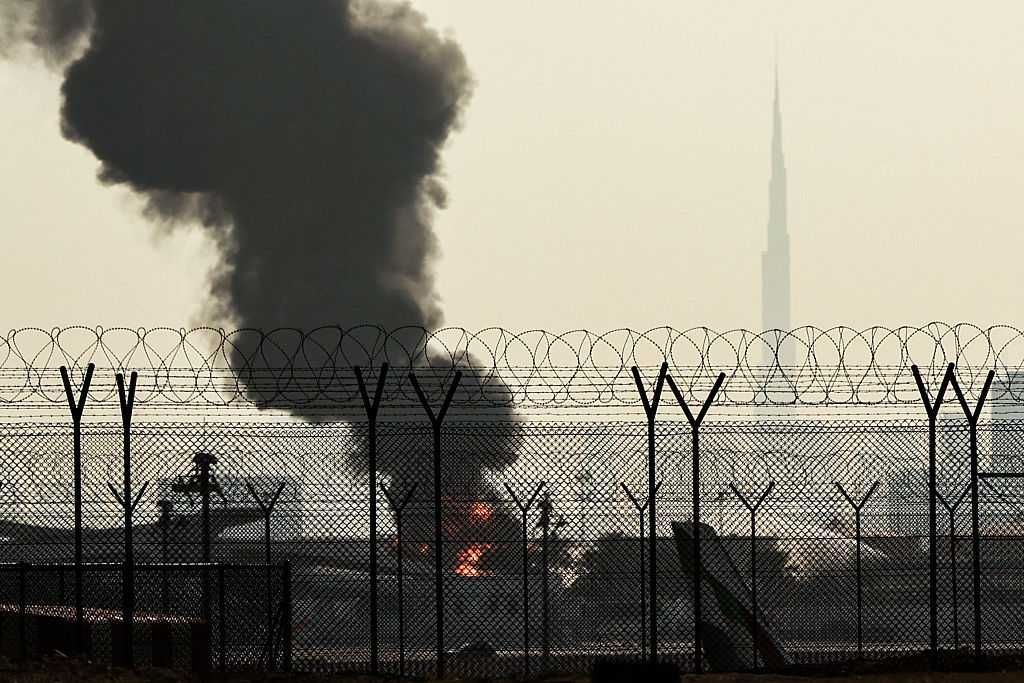 AFP/Getty Images
This reflects a profound evolution in Vance’s own political identity. No longer just the populist firebrand, he is now operating as a sophisticated practitioner of realpolitik.
He understands that in the Middle East, a pause in hostilities is often just a prelude to a more complex form of conflict. When Vance remarks that the President is "not one to mess around," he is not just praising his superior; he is signaling to the IRGC that the vice president’s office is keeping a meticulous tally of every violation, no matter how small.
The VP's role also serves a vital domestic function. Within the coalition that brought this administration to power, there is a deep-seated wariness of international agreements that appear to favor adversaries.
By acting as the voice of caution, Vance ensures that the administration’s base remains invested in the process. He represents the wing of the movement that measures success not in the number of summits held, but in the tangible dismantling of enemy capabilities.
Furthermore, this messaging dichotomy allows the United States to navigate the complex mediation role being played by Pakistan. As Prime Minister Shehbaz Sharif and Field Marshal Asim Munir attempt to broker a long-term settlement in Islamabad, the dual-track messaging from Washington provides them with leverage.
They can present Trump as the willing peacemaker while pointing to Vance as the embodiment of an impatient American security apparatus that is ready to strike if the talks stall. It is a division of labor that clarifies the stakes of failure for all parties involved.
RELATED: The only Iran plan that doesn’t end with a 20-year hangover
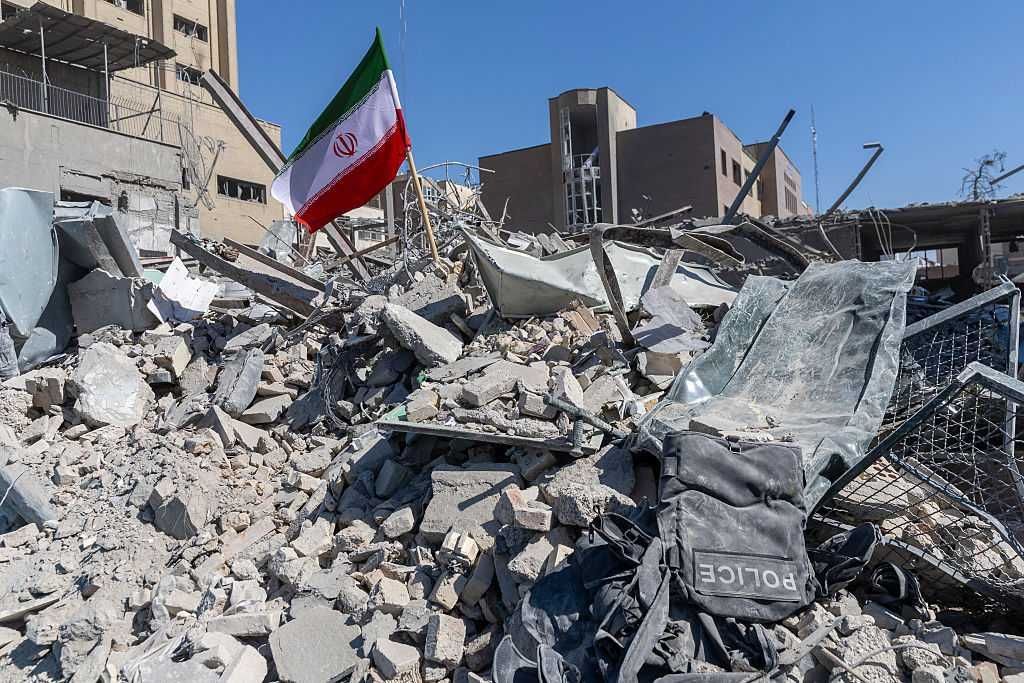 Majid Saeedi/Getty Images
The question is whether this strategy can be sustained. Diplomacy requires a degree of shared understanding of the rules. If the vice president is perceived as being fundamentally at odds with the President, Tehran may attempt to drive a wedge between them.
Yet, in the hyper-volatile environment of 2026, the traditional rules of diplomacy seem increasingly inadequate. The old model of a unified, singular voice has often led to a form of groupthink that fails to account for the duplicity of actors like the Iranian regime.
As we move toward the Islamabad talks, the value of Vance’s skepticism will be tested. If a more durable agreement is reached, it will be because the Iranians understood that they were not just negotiating with a president eager for a legacy, but with a vice president who was looking for an excuse to walk away.
In the world of power politics, the most effective strategy is often the one that keeps the adversary off-balance.
By playing the skeptic, JD Vance is not undermining peace; he is ensuring that any peace achieved is built on something more substantial than hope. The "fragile" nature of the truce, as Vance describes it, is actually its greatest strength.
It forces a level of honesty and verification that decades of polite, unified diplomacy never could. For the American interest, having a vice president who refuses to see the world through rose-colored glasses is not a liability. It is a strategic necessity. The center of the diplomatic world may have shifted to Islamabad, but the reality check remains firmly anchored in the vice president's office.





 English (US)