.png)
 1 hour ago
2
1 hour ago
2

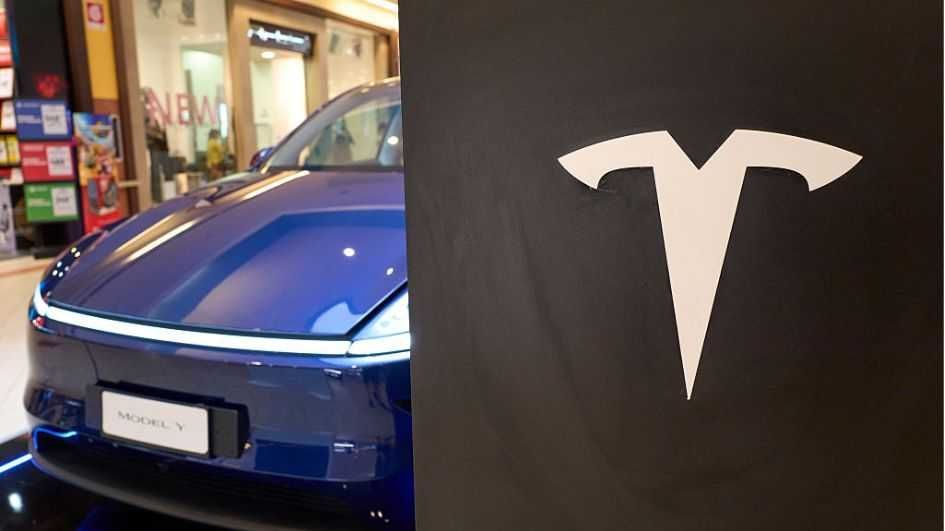
For years, Americans have been told self-driving cars are still somewhere off in the future.
An intriguing idea that is simply not fully ready for the real world.
Tesla now has millions of vehicles gathering real-world driving information every day. No competitor comes close to that level of data collection.
But on a recent episode of "The Drive,"my co-host Karl Brauer and I sat down with automotive journalist Roman Mica — and the story he told us had us thinking the future is closer than we realize.
Not everybody is going to be happy about it either.
Hands off
After spending roughly 2,000 miles using Tesla’s latest Full Self-Driving system across highways, city traffic, parking lots, and construction zones, Mica said the technology behaved very differently from earlier versions.
The old “until moment” — where the system suddenly did something unpredictable or dangerous — barely appeared.
This makes one thing undeniable: The gap between the current self-driving capability of this technology and the way the government talks about it is only getting wider.
Washington is still treating self-driving technology as if it's experimental, while the companies building it are already deploying it in the real world.
The National Highway Traffic Safety Administration continues escalating investigations into Tesla’s Full Self-Driving system, focusing on crashes involving fog, glare, dust, and other low-visibility conditions. Regulators warn drivers not to put too much trust in the technology, constantly reminding consumers that these systems still require active supervision.
At the same time, policymakers continue promoting autonomous vehicles as the future of transportation.
Safer roads. Fewer accidents. Smarter mobility.
Both messages can technically be true. But the gap between them is becoming harder to ignore as the technology improves faster than the public conversation around it.
Racing ahead
Tesla isn’t alone either.
Nissan recently demonstrated autonomous driving technology navigating dense urban traffic in Tokyo. Waymo continues expanding robotaxi operations in multiple U.S. cities. Mercedes-Benz and BMW are investing heavily in increasingly advanced assisted-driving systems.
The race is already underway.
But Tesla remains the company pushing the technology most aggressively into everyday consumer vehicles, and that’s part of what makes regulators uneasy.
Traditional automakers typically introduce new driver-assistance systems cautiously and in tightly controlled stages. Tesla operates more like a software company, constantly refining the system through over-the-air updates while collecting enormous amounts of real-world driving data from millions of vehicles already on the road.
That approach has created a major advantage.
It has also created tension with regulators who are accustomed to slower, more predictable development cycles.
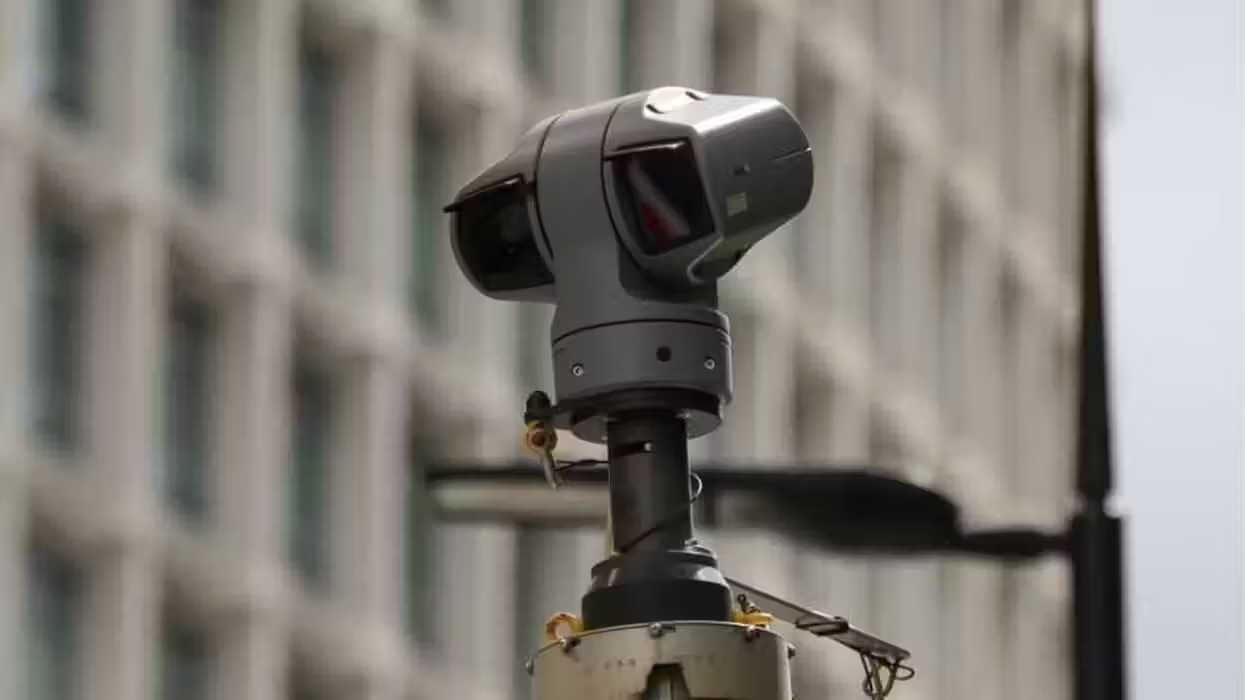
RELATED: Big Brother on the road: Backlash grows against license plate surveillance
 SOPA Images/Getty Images
Cause for concern?
To be fair, some concerns are legitimate.
No self-driving system is perfect. Construction zones, poor weather, glare, faded lane markings, road debris, and unpredictable human behavior remain difficult problems for every autonomous platform currently being developed.
Tesla’s system still legally requires a driver ready to intervene at any moment.
But critics often avoid another uncomfortable reality: Human drivers fail constantly too.
People drive distracted. They text. They fall asleep. They panic. They drive impaired. Human error causes the overwhelming majority of crashes on American roads.
Computers don’t get tired or distracted.
That doesn’t automatically make autonomous systems safer in every situation. But it does explain why so many companies — and governments — continue betting heavily on the technology despite the public skepticism.
Head start
The bigger issue is scale.
Tesla now has millions of vehicles gathering real-world driving information every day. No competitor comes close to that level of data collection. Every mile driven feeds additional information back into the system.
That lead may prove difficult to overcome.
And that’s where this stops being just a technology story and starts becoming a political one.
Autonomous driving isn’t simply about convenience. It’s about infrastructure, liability, regulation, data collection, and ultimately control over how transportation functions in the future.
Washington wants the economic and technological advantages that come with leading autonomous vehicle development. But it also wants tight oversight over how that future arrives.
Those goals don’t always align neatly.
What Mica describes in our conversation would have sounded impossible only a few years ago. A vehicle handling thousands of miles across varied driving conditions with minimal intervention once felt like science fiction.
Now it’s happening on public roads.
That doesn’t mean fully autonomous driving has arrived. We are still a long way from removing drivers entirely from the equation in every environment and condition.
But the line between driver assistance and true autonomy is getting thinner much faster than most Americans realize.
And Washington still seems unsure whether it wants to accelerate that future — or slow it down.







 English (US)